Warning Signs Your Liver Is Not Working Properly: Early Symptoms You Should Know
Introduction
Your liver is one of the hardest-working organs in your body. It removes harmful toxins, helps digest food, stores nutrients, and supports hundreds of important functions. When the liver starts losing its ability to work properly, your body often gives early warning signs.
Many people ignore these symptoms because they seem common or mild. However, early diagnosis and treatment can prevent serious liver diseases such as fatty liver, hepatitis, cirrhosis, and liver failure.
What Does Your Liver Do?
The liver performs many essential jobs, including:
- Removing toxins from the blood
- Producing bile for digestion
- Processing nutrients
- Storing vitamins and minerals
- Helping control blood sugar
- Supporting the immune system
A healthy liver is important for overall well-being.
Warning Signs Your Liver Is Not Working Properly
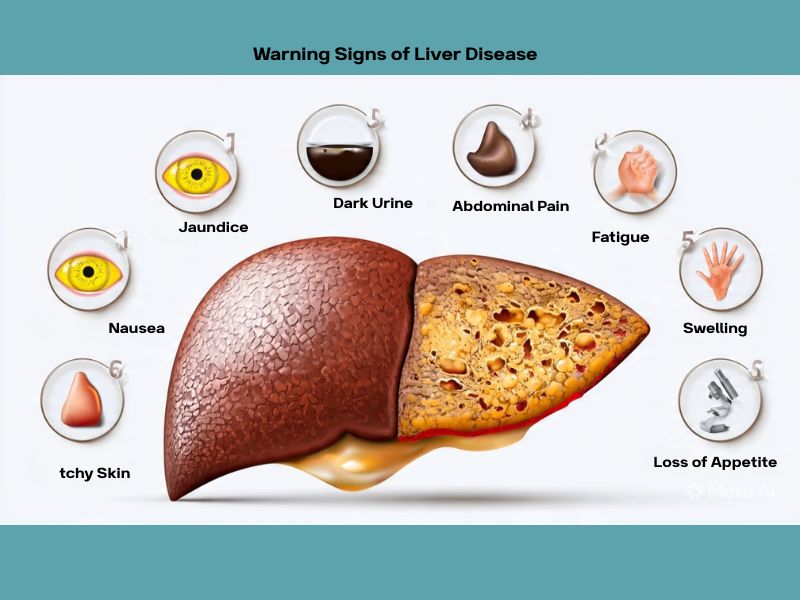
Some early warning signs include:
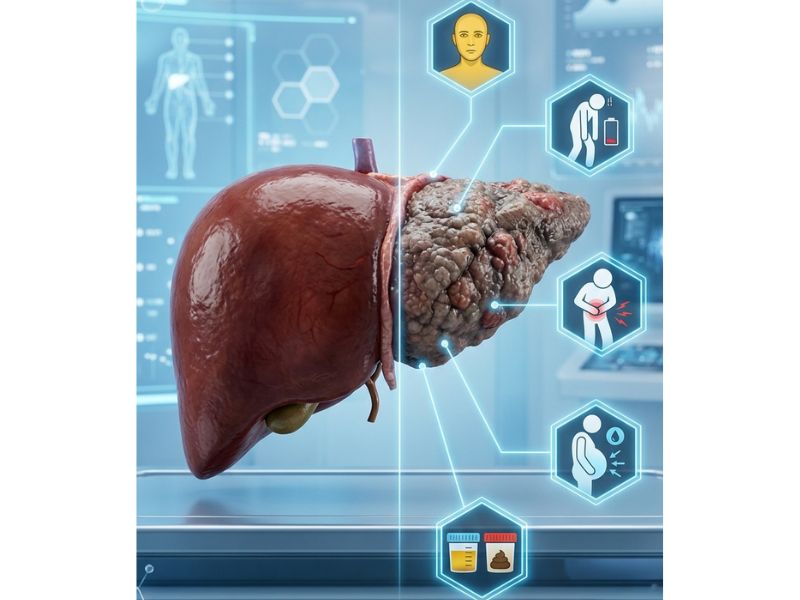
- Constant tiredness or weakness
- Pain in the upper right side of the abdomen
- Yellowing of the skin or eyes (jaundice)
- Dark-colored urine
- Pale-colored stools
- Swelling in the legs or abdomen
- Nausea or vomiting
- Loss of appetite
- Unexplained weight loss
- Itchy skin
If these symptoms continue for several days, consult a liver specialist.
Common Causes of Liver Problems
Several health conditions can affect liver function, including:
- Fatty liver disease
- Viral hepatitis
- Excess alcohol consumption
- Liver cirrhosis
- Certain medicines
- Type 2 diabetes
- High cholesterol
- Viral infections
Finding the exact cause helps doctors choose the right treatment.
Who Has a Higher Risk?
Some people have a greater chance of developing liver disease, including those who:
- Have excess body weight
- Have diabetes
- Consume alcohol regularly
- Have high cholesterol
- Eat processed foods frequently
- Have a family history of liver disease
- Do very little physical activity
Maintaining a healthy lifestyle can reduce these risks.
How Are Liver Problems Diagnosed?
Doctors may recommend:
- Liver Function Tests (LFT)
- Ultrasound of the abdomen
- FibroScan
- CT Scan or MRI (if required)
- Blood tests
Early diagnosis helps identify liver disease before serious complications develop.
How Can You Keep Your Liver Healthy?
Simple lifestyle habits can protect your liver:
- Eat a balanced diet
- Exercise regularly
- Maintain a healthy body weight
- Avoid excessive alcohol
- Drink enough water
- Control diabetes and cholesterol
- Get regular health check-ups
Healthy habits can reduce the risk of liver disease.
When Should You See a Liver Specialist?
Seek medical advice if you experience:
- Persistent abdominal pain
- Yellow eyes or skin
- Dark urine
- Swelling in the abdomen
- Ongoing tiredness
- Unexplained weight loss
Do not ignore these symptoms, especially if they last for several days. Read more:
High SGPT & SGOT Levels: Causes, Symptoms & Treatment
Conclusion
The warning signs your liver is not working properly should never be ignored. Symptoms such as jaundice, persistent tiredness, abdominal pain, or dark urine may indicate an underlying liver condition. Early diagnosis, healthy lifestyle changes, and timely medical care can help protect your liver and improve your long-term health.For trusted information about liver diseases, visit the
National Institute of Diabetes and Digestive and Kidney Diseases (NIDDK).