
Patient Education & Diseases
All about liver cirrhosis
What Is Liver Cirrhosis?
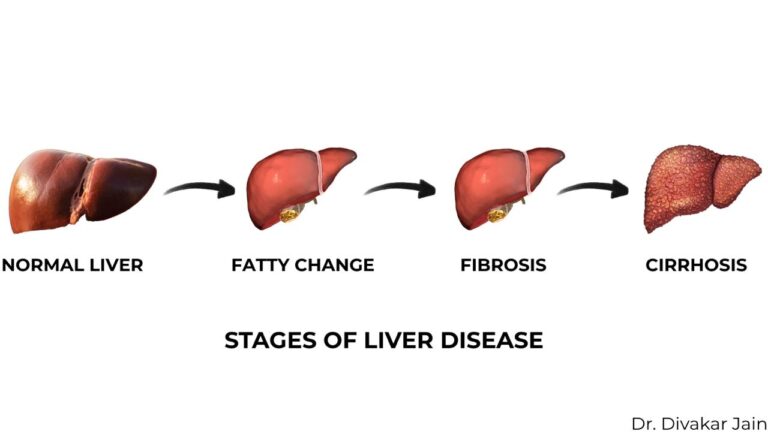
Liver cirrhosis is the final stage of chronic liver disease, where healthy liver tissue is gradually replaced by scar tissue. As a result, the liver loses its ability to function normally. Although the liver has an excellent capacity to regenerate after injury, repeated damage causes permanent scarring. Dr. Divakar Jain provides expert evaluation and advanced treatment for patients with chronic liver disease and cirrhosis.
What Is Chronic Liver Disease?
Chronic liver disease (CLD) is a long-term condition caused by continuous inflammation, injury, and regeneration of the liver. Over time, this process leads to fibrosis and eventually develops into liver cirrhosis. When the liver becomes severely scarred, it can no longer perform its normal functions. In advanced cases, liver transplantation may become the most effective treatment option.
Causes in Adults
Heavy alcohol consumption remains one of the most common causes of cirrhosis in India and worldwide. In addition, viral hepatitis B and hepatitis C can gradually damage the liver and lead to chronic disease.
Furthermore, fatty liver disease (NAFLD) has become a major cause of chronic liver damage due to obesity, diabetes, and metabolic disorders. Other causes include autoimmune liver disease, primary sclerosing cholangitis (PSC), primary biliary cholangitis (PBC), Wilson’s disease, hemochromatosis, certain medications, and inherited disorders.
Causes in Children
In children, extrahepatic biliary atresia is one of the leading causes of cirrhosis. Early diagnosis allows doctors to perform the Kasai procedure, although many children may still require liver transplantation later in life. Other causes include alpha-1 antitrypsin deficiency, Alagille syndrome, Wilson’s disease, cystic fibrosis, and inherited metabolic disorders.
Symptoms
Patients with chronic liver disease may initially experience tiredness, poor appetite, and swelling of the legs. As the disease progresses, symptoms may include jaundice, abdominal swelling (ascites), confusion, tremors, vomiting blood, blood in stools, and kidney dysfunction. Early diagnosis helps prevent serious complications.
Living with Cirrhosis
Many patients can successfully manage cirrhosis with medicines and healthy lifestyle changes before severe complications develop. Doctors usually recommend:
- Staying physically active
- Eating a balanced, protein-rich diet
- Exercising regularly
- Limiting salt and fluid intake when required
- Attending regular follow-up visits
In addition, doctors may prescribe vitamin supplements, calcium supplements, stool softeners, or other medicines depending on the patient’s condition. Regular blood tests and medical check-ups are essential for long-term liver health.
Learn More
To understand advanced treatment options, read our Liver Transplant page.
For more information about liver care, visit the official Shalby Hospitals website.