High SGPT & SGOT Levels: Causes, Symptoms & Treatment
Liver enzymes such as SGPT (ALT) and SGOT (AST) are important indicators of liver health. When these enzyme levels become higher than normal, it may signal inflammation, infection, or damage to the liver. Many people discover high SGPT and SGOT levels during a routine blood test and may not immediately understand what it means.
While a mild increase may sometimes be temporary, consistently elevated levels should not be ignored. Early diagnosis and proper treatment can help prevent serious liver complications and maintain overall health.
What Are SGPT and SGOT Levels?
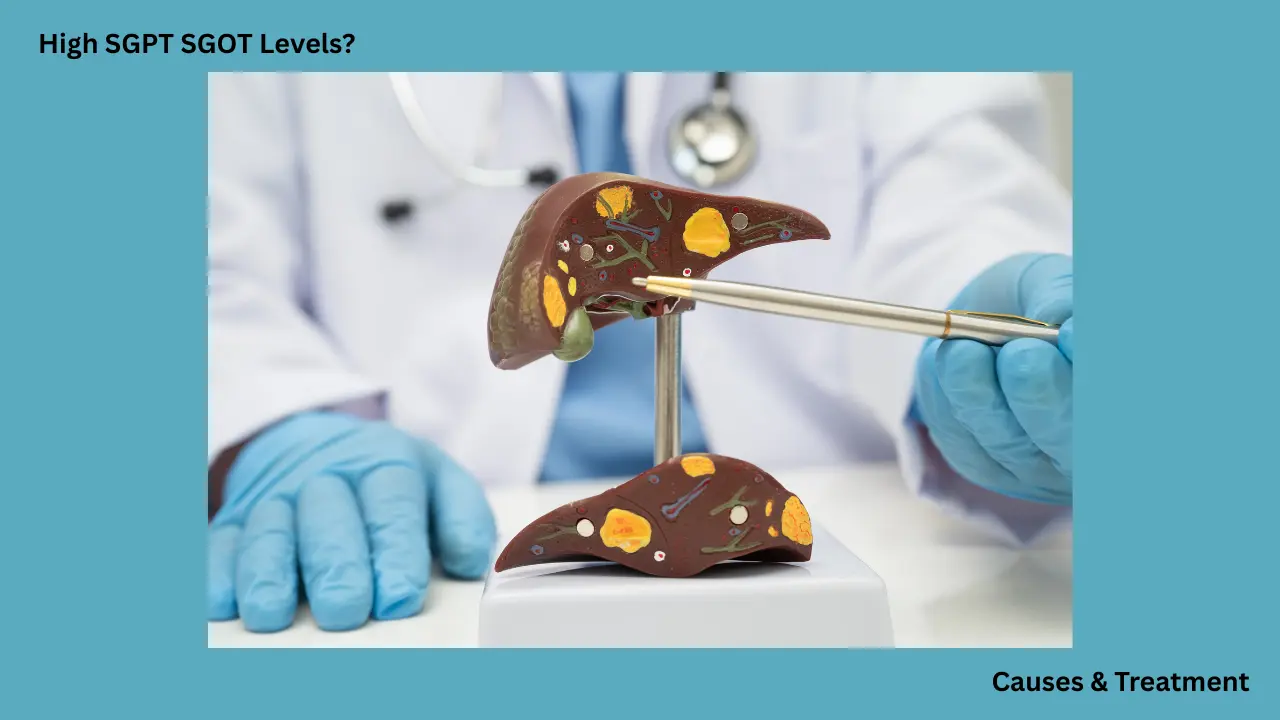
SGPT (Serum Glutamic Pyruvic Transaminase), also called ALT, and SGOT (Serum Glutamic Oxaloacetic Transaminase), known as AST, are enzymes primarily found in liver cells.
When the liver becomes inflamed or damaged, these enzymes leak into the bloodstream, which causes SGPT and SGOT levels to rise in blood tests.
Normal ranges usually include:
SGPT (ALT): 7–56 U/L
SGOT (AST): 10–40 U/L
Higher levels may indicate liver inflammation, infection, or other liver-related conditions.
Causes of High SGPT & SGOT Levels
Several medical conditions and lifestyle factors can lead to elevated liver enzyme levels. Identifying the underlying cause is important for proper treatment.
Fatty Liver Disease
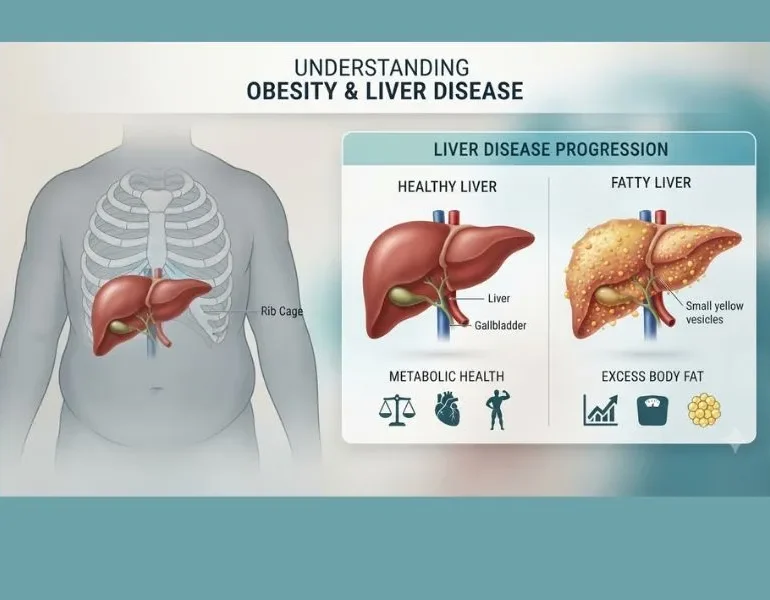
Fat accumulation in liver cells is one of the most common causes of high SGPT and SGOT levels. It is often linked with obesity, unhealthy diet, and lack of exercise.
Viral Hepatitis
Infections such as Hepatitis A, Hepatitis B, and Hepatitis C can damage liver cells and increase enzyme levels.
Alcohol Consumption
Excessive alcohol intake can cause liver inflammation and long-term liver damage.
Certain Medications
Some medicines such as antibiotics, pain relievers, and cholesterol drugs may temporarily increase liver enzymes.
Obesity and Diabetes
Metabolic conditions like diabetes and obesity increase the risk of non-alcoholic fatty liver disease (NAFLD), which can raise SGPT and SGOT levels.
Symptoms of High SGPT & SGOT Levels
In the early stages, elevated liver enzymes may not cause noticeable symptoms. However, as liver problems progress, some individuals may experience:
Persistent fatigue
Loss of appetite
Nausea or vomiting
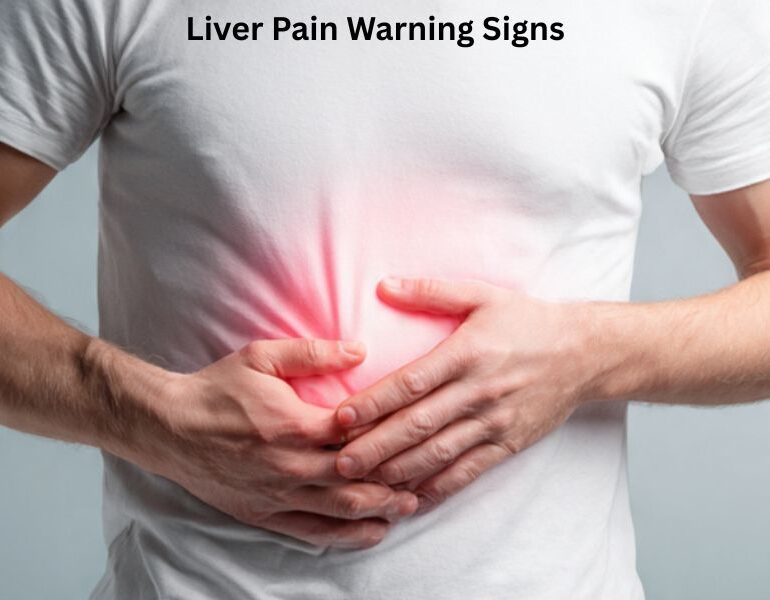
Pain in the upper right side of the abdomen
Yellowing of the skin or eyes (jaundice)
Dark-colored urine
Unexplained weakness


How Are High SGPT & SGOT Levels Diagnosed?
Doctors usually recommend several tests to determine the cause of abnormal liver enzyme levels.
Common diagnostic tests include:
Liver Function Test (LFT)
Ultrasound of the abdomen
Viral hepatitis screening
CT scan or MRI
Fibroscan to check liver stiffness
Global health organizations provide detailed guidance on liver disease diagnosis and prevention. Learn more from the
World Health Organization (WHO) – Hepatitis and Liver Health
.
These tests help doctors identify whether the issue is related to fatty liver, infection, medication effects, or another liver condition.
Treatment for High SGPT & SGOT Levels
Treatment depends on the underlying cause of the elevated liver enzymes. In many cases, simple lifestyle changes can significantly improve liver health.
Lifestyle Changes
Maintain a healthy body weight
Follow a balanced and nutritious diet
Avoid alcohol consumption
Exercise regularly
Stay hydrated
Medications

Doctors may prescribe medications to treat infections, inflammation, or metabolic conditions affecting the liver.
Regular Monitoring
Periodic blood tests may be required to track SGPT and SGOT levels and monitor liver function.
Advanced Treatment
If liver damage becomes severe, specialized medical treatment or advanced procedures may be necessary.
Consult a liver specialist for advanced liver treatment options
.
When Should You See a Liver Specialist?
You should seek medical advice if:
SGPT or SGOT levels remain high in multiple blood tests
You experience symptoms such as jaundice or persistent fatigue
You have a history of hepatitis or fatty liver disease
Liver function tests show abnormal results
Early consultation with a specialist can help diagnose liver conditions early and prevent complications.
Conclusion
High SGPT and SGOT levels are important warning signs that the liver may be under stress or experiencing damage. While mild elevations may sometimes be temporary, persistently high levels should always be evaluated by a medical professional.
Maintaining a healthy lifestyle, regular health check-ups, and timely medical consultation can help protect liver health and prevent serious liver diseases.
If your blood test shows elevated SGPT and SGOT levels, seeking expert evaluation and proper treatment is the best step toward maintaining long-term liver health.