Obesity and Liver Disease: Causes, Risks & Treatment
Obesity and liver disease are closely connected. Having excess body fat can increase the risk of developing fatty liver disease. This happens when fat builds up inside the liver and may affect its normal function over time.
Fatty liver disease can develop without clear symptoms. Many people discover it during a routine health check-up or an ultrasound. Early diagnosis and healthy lifestyle changes can help protect liver health and reduce the risk of further damage.
In this blog, we will explain how obesity affects the liver, common symptoms, diagnosis, treatment options, and ways to support better liver health.
What Is the Connection Between Obesity and Liver Disease?
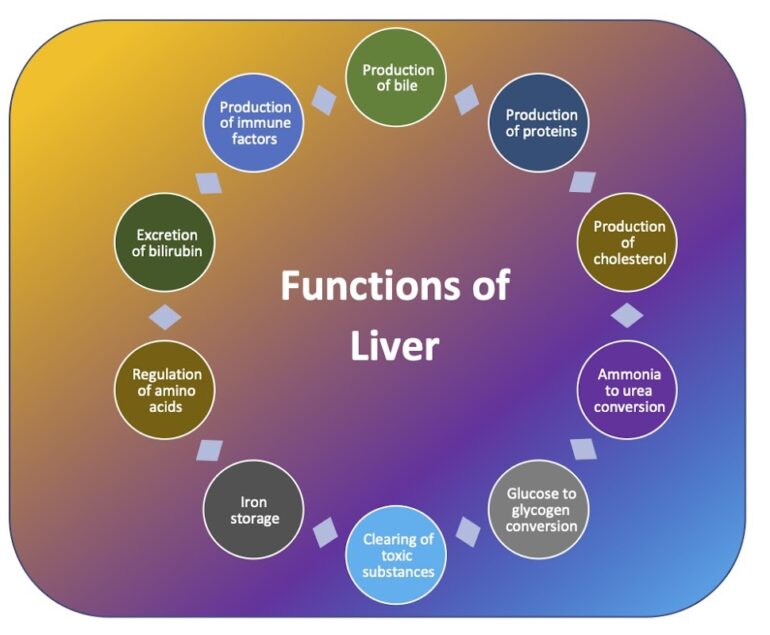
The liver performs many important functions. It helps process nutrients, stores energy, removes harmful substances, and produces bile to support digestion.
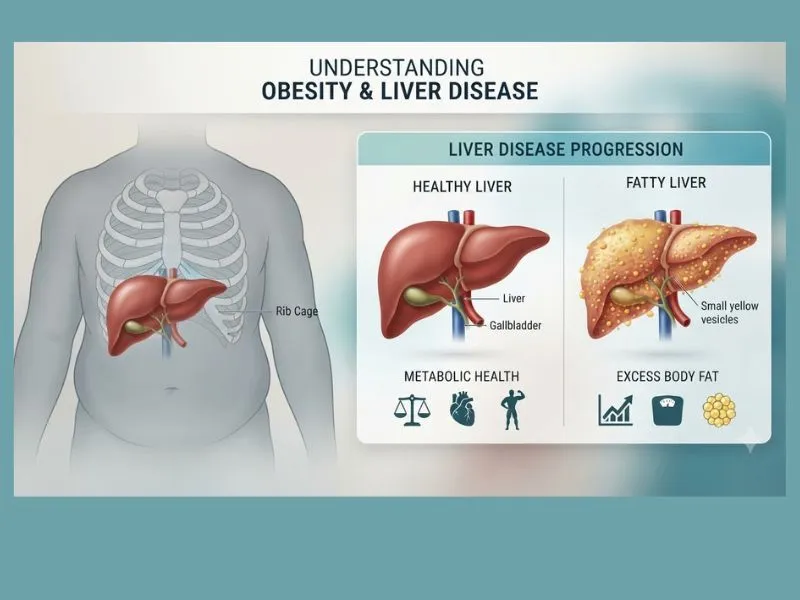
When excess fat builds up inside liver cells, it can lead to fatty liver disease. Today, this condition is commonly known as metabolic dysfunction-associated Steatotic liver disease (MASLD). It was previously called non-alcoholic fatty liver disease (NAFLD).
MASLD is often associated with metabolic conditions such as:
- Obesity
- Type 2 diabetes
- High blood pressure
- High cholesterol or triglyceride levels
- Insulin resistance
However, not everyone living with obesity develops fatty liver disease. It can also affect people who do not have obesity.
How Does Obesity Affect the Liver?
Obesity can affect liver health in several ways.
1. Fat Accumulation in the Liver
When the body stores excess energy, some of it may be stored as fat in the liver. Over time, this can lead to fat accumulation inside liver cells.
This condition is called hepatic steatosis, commonly known as fatty liver.
2. Insulin Resistance
Insulin helps the body control blood sugar levels. When the body becomes less responsive to insulin, the condition is called insulin resistance.
Insulin resistance can increase fat storage in the liver and may contribute to inflammation and liver damage.
3. Liver Inflammation
Some people with fatty liver develop inflammation and liver cell injury. This more active form of the disease is called metabolic dysfunction-associated steatohepatitis (MASH). It was previously known as NASH.
MASH can increase the risk of liver scarring, also called fibrosis.
4. Liver Scarring
If inflammation and liver injury continue over time, scar tissue may develop. This is known as liver fibrosis.
Advanced fibrosis can progress to cirrhosis, a condition in which extensive scarring affects the liver’s structure and function.
What Are the Stages of Fatty Liver Disease?
Fatty liver disease can range from simple fat accumulation to more advanced liver damage.
Simple Fatty Liver
Fat builds up in the liver, but there may be little or no inflammation. Many people do not experience symptoms.
MASH
Fat accumulation is accompanied by inflammation and liver cell injury. MASH may increase the risk of fibrosis.
Liver Fibrosis
Repeated liver injury can cause scar tissue to form. The amount of scarring can vary from mild to advanced.
Liver Cirrhosis
Cirrhosis is advanced liver scarring. It can affect the liver’s ability to function and may lead to serious complications.
Not everyone with fatty liver progresses through all these stages. Early assessment and appropriate care can help manage risk factors and protect liver health.
What Are the Symptoms of Obesity-Related Fatty Liver Disease?
Fatty liver disease often develops without noticeable symptoms, especially in its early stages.
When symptoms occur, they may include:
- Tiredness or fatigue
- Discomfort in the upper right side of the abdomen
- A feeling of heaviness in the abdomen
- General weakness
These symptoms are not specific to fatty liver disease and can occur with many other conditions.
In advanced liver disease, symptoms may include yellowing of the skin or eyes, swelling in the legs or abdomen, or easy bruising. These symptoms need prompt medical assessment.
Important: Normal liver enzyme levels do not always rule out fatty liver disease or liver fibrosis. A doctor may recommend further assessment based on your overall health and risk factors.
Who May Have a Higher Risk of Fatty Liver Disease?
The risk of MASLD may be higher in people who have one or more of the following:
- Obesity or excess abdominal fat
- Type 2 diabetes
- Insulin resistance
- High triglycerides or abnormal cholesterol levels
- High blood pressure
- A sedentary lifestyle
- A family history of fatty liver disease
A person’s risk depends on several factors, not body weight alone. A healthcare professional can help assess individual risk.
How Is Obesity-Related Liver Disease Diagnosed?
Doctors may use a combination of medical history, physical examination, blood tests, and imaging tests to assess liver health.
1. Medical History and Examination
Your doctor may ask about your medical history, medications, lifestyle, alcohol intake, and family history. They may also check for conditions such as diabetes, high blood pressure, and abnormal cholesterol levels.
2. Blood Tests
Blood tests may include liver enzymes such as ALT and AST. Other tests may be recommended to assess blood sugar, cholesterol, and overall liver function.
Blood tests alone cannot confirm or rule out every stage of fatty liver disease.
3. Ultrasound
An abdominal ultrasound may help identify fat accumulation in the liver. However, ultrasound cannot reliably determine the amount of inflammation or the exact stage of liver fibrosis.
4. FibroScan
FibroScan is a non-invasive test that measures liver stiffness and can estimate liver fat using a parameter called CAP.
It may help doctors assess liver scarring and fat accumulation. Your doctor will interpret the result along with your medical history and other test findings.
For more details, read our guide on FibroScan score meaning.
How Can Weight Loss Improve Liver Health?
For people with excess body fat and fatty liver disease, gradual weight loss may help reduce fat stored in the liver.
Even a modest reduction in body weight may improve liver fat and metabolic health. Greater weight loss may provide additional benefits for some people, including improvement in liver inflammation.
However, results vary from person to person. Weight loss does not guarantee that liver damage will reverse, especially if advanced fibrosis or cirrhosis is present.
A doctor or dietitian can help set a safe and realistic weight-management plan.
For more information about lifestyle changes and fatty liver treatment, visit the NIDDK guide to fatty liver treatment.
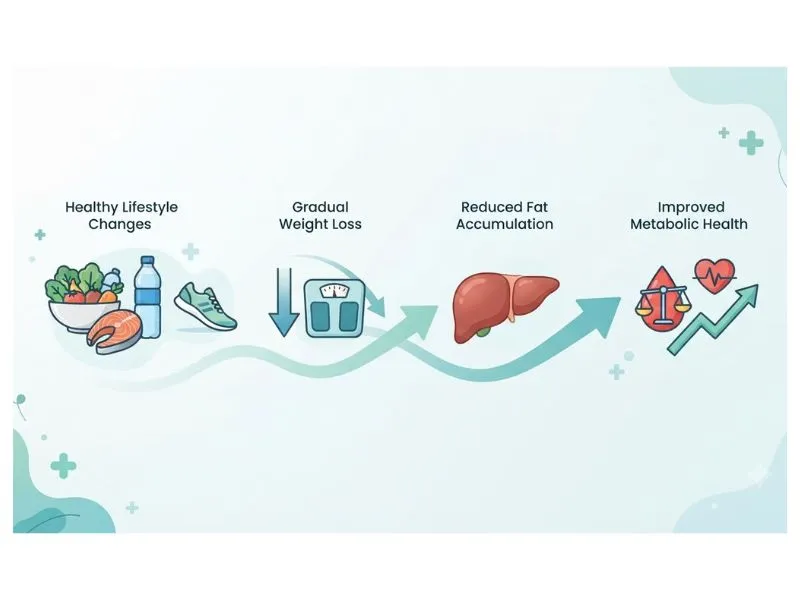
Lifestyle Changes to Support Liver Health
Healthy daily habits can support liver health and help manage conditions associated with MASLD.
1. Choose a Balanced Diet
Include vegetables, fruits, whole grains, pulses, and suitable sources of protein in your meals.
Try to limit:
- Sugary drinks and packaged juices
- Foods high in added sugar
- Frequent intake of highly processed foods
- Excessive portions of fried or high-calorie foods
A balanced diet should suit your health needs and be sustainable in the long term.
2. Stay Physically Active
Regular physical activity can improve insulin sensitivity and support weight management.
Choose activities that fit your fitness level, such as walking, cycling, swimming, or other forms of exercise. If you have a medical condition or have not exercised for a long time, consult your healthcare professional before starting a new routine.
3. Manage Blood Sugar and Cholesterol
High blood sugar, abnormal cholesterol, and high blood pressure can be associated with fatty liver disease.
Regular health check-ups and following your prescribed treatment plan can help manage these conditions.
4. Avoid Crash Diets
Very restrictive diets and rapid weight-loss methods may not be suitable for everyone.
Aim for gradual, sustainable changes. If you are considering a weight-loss programme, discuss it with a qualified healthcare professional.
5. Avoid Alcohol and Unverified Supplements
Alcohol may add to liver-related risks. Discuss alcohol use with your doctor, especially if you have been diagnosed with liver disease.
Do not take herbal products, supplements, or “liver detox” products without medical advice. Some products can harm the liver or interact with medications.
Can Fatty Liver Disease Be Reversed?
In some people, fatty liver and early liver changes may improve with lifestyle changes and management of related health conditions.
Reducing liver fat and improving metabolic health may lower the risk of further liver damage. However, the possibility of improvement depends on the stage of disease and other individual factors.
Advanced fibrosis or cirrhosis requires specialist assessment and ongoing follow-up. Do not stop prescribed medicines or rely on home remedies without consulting your doctor.
When Should You See a Liver Specialist?
Consider consulting a liver specialist if:
- You have been diagnosed with fatty liver disease.
- You have diabetes or metabolic risk factors along with abnormal liver tests.
- An ultrasound or FibroScan shows signs of liver disease.
- Your liver enzyme levels remain abnormal.
- You have a family history of significant liver disease.
- You develop jaundice, abdominal swelling, or other concerning symptoms.
Seek urgent medical care if you experience severe abdominal pain, confusion, vomiting blood, or black stools.
If you need an assessment for liver-related concerns, you can learn more about a liver specialist in Ahmedabad.
Conclusion
Obesity can increase the risk of fatty liver disease, but body weight is only one part of overall liver health. Metabolic conditions, lifestyle, family history, and other factors can also contribute.
Fatty liver disease may not cause symptoms in its early stages. Therefore, people with relevant risk factors should discuss appropriate screening and assessment with a healthcare professional.
A balanced diet, regular physical activity, gradual weight management, and proper medical follow-up can help support liver health. Early evaluation can also help identify people who may need closer monitoring or treatment.
Take care of your liver with informed choices and timely medical guidance.