Liver Function Test (LFT) Normal Range: What Your Results Mean
A Liver Function Test (LFT) is one of the most commonly prescribed blood tests used to assess liver health. Many people receive their reports and notice values such as ALT, AST, ALP, or bilirubin without understanding what they mean.
Knowing the liver function test normal range can help you understand your results and recognize when medical evaluation may be needed.
What Is a Liver Function Test?
A Liver Function Test (LFT) is a group of blood tests that evaluate how well the liver is functioning.
Doctors often recommend an LFT to:
- Check liver health
- Investigate symptoms such as jaundice or fatigue
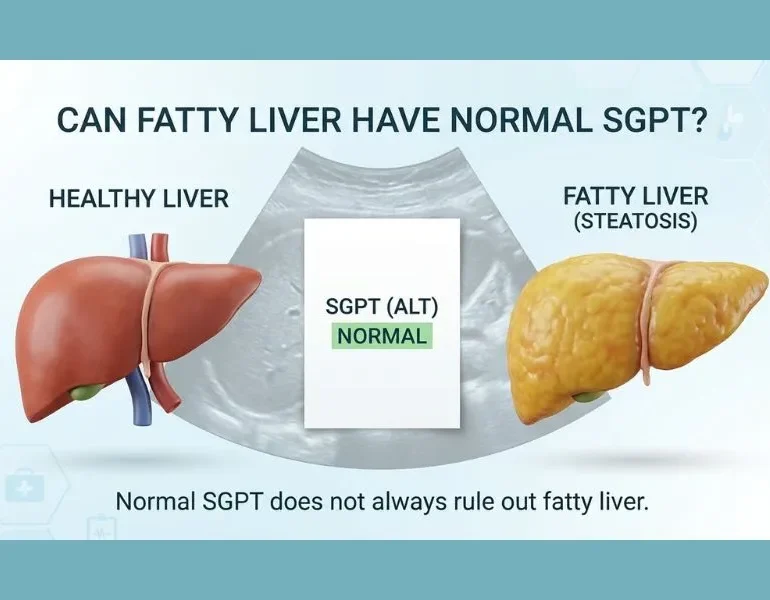
- Monitor fatty liver disease
- Assess liver damage
- Evaluate medication-related liver effects
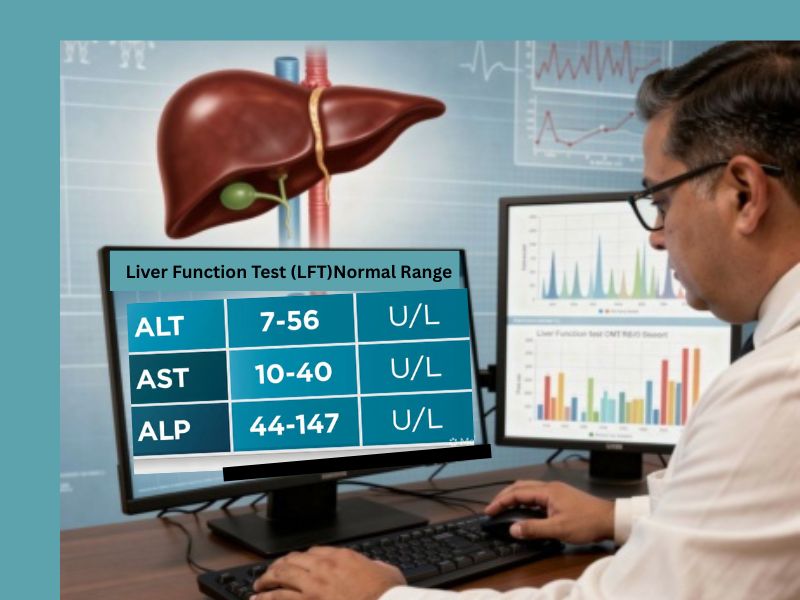
Liver Function Test Normal Range
The exact range may vary slightly between laboratories.
| Test | Normal Range |
|---|---|
| ALT (SGPT) | 7–56 U/L |
| AST (SGOT) | 10–40 U/L |
| ALP | 44–147 U/L |
| Total Bilirubin | 0.3–1.2 mg/dL |
| Albumin | 3.5–5.0 g/dL |
Always discuss your results with a qualified healthcare professional.
What Does a High ALT or AST Mean?
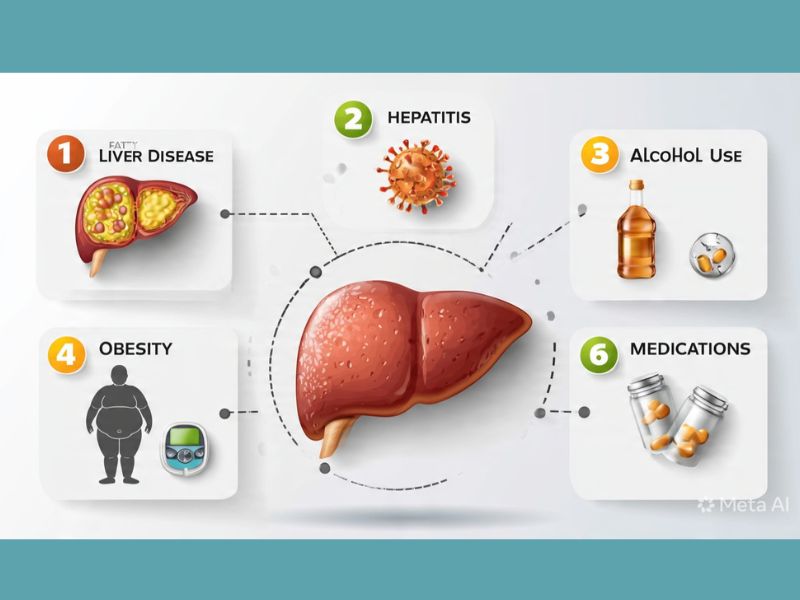
Elevated ALT and AST levels may indicate:
- Fatty liver disease
- Viral hepatitis
- Alcohol-related liver disease
- Liver inflammation
- Certain medications
Mild elevations are common, but persistent abnormalities should be investigated.
Many patients with elevated ALT and AST levels also want to understand what high SGPT and SGOT indicate.
Read more: High SGPT & SGOT Levels: Causes, Symptoms & Treatment
What Happens If Bilirubin Is High?
High bilirubin levels may cause:
- Yellowing of the eyes
- Yellow skin
- Dark urine
- Fatigue
Bilirubin can increase due to liver disease, bile duct obstruction, or other medical conditions.
When Should You Be Concerned About Abnormal LFT Results?
Consult a liver specialist if:
- Liver enzymes remain elevated
- Bilirubin levels increase
- You develop jaundice
- Abdominal pain persists
- Fatty liver is detected on ultrasound
Early diagnosis can prevent serious liver complications.
How Can You Keep Your Liver Healthy?
Simple lifestyle habits can support liver health:
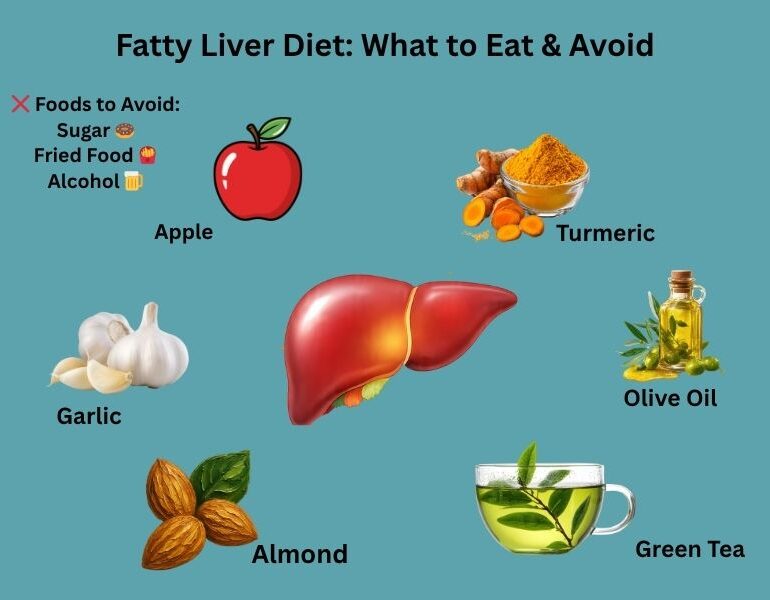
- Maintain a healthy weight
- Exercise regularly
- Avoid excessive alcohol
- Eat a balanced diet
- Control diabetes and cholesterol
- Get regular health checkups For reliable information about liver diseases and liver function tests, visit:National Institute of Diabetes and Digestive and Kidney Diseases (NIDDK)
Conclusion
Understanding the liver function test normal range can help you interpret your blood test results and identify potential liver problems early. If your LFT values remain abnormal, seek medical advice from a liver specialist for further evaluation and appropriate treatment.