Why Are My Liver Enzymes High? Causes Beyond Fatty Liver
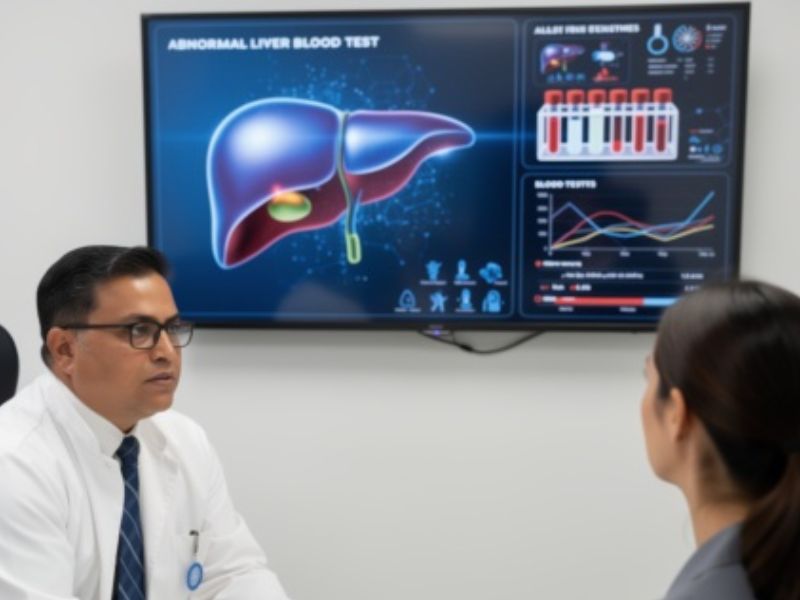
High liver enzymes are often discovered during routine blood tests, leaving many people wondering what the results mean. While fatty liver disease is a common cause, elevated liver enzymes can also occur due to infections, medications, alcohol use, metabolic disorders, and other liver conditions.
Understanding the causes of high liver enzymes can help patients seek timely medical evaluation and protect their long-term liver health.
What Are Liver Enzymes?
Liver enzymes are proteins produced by the liver that help perform essential functions such as digestion, metabolism, and detoxification.
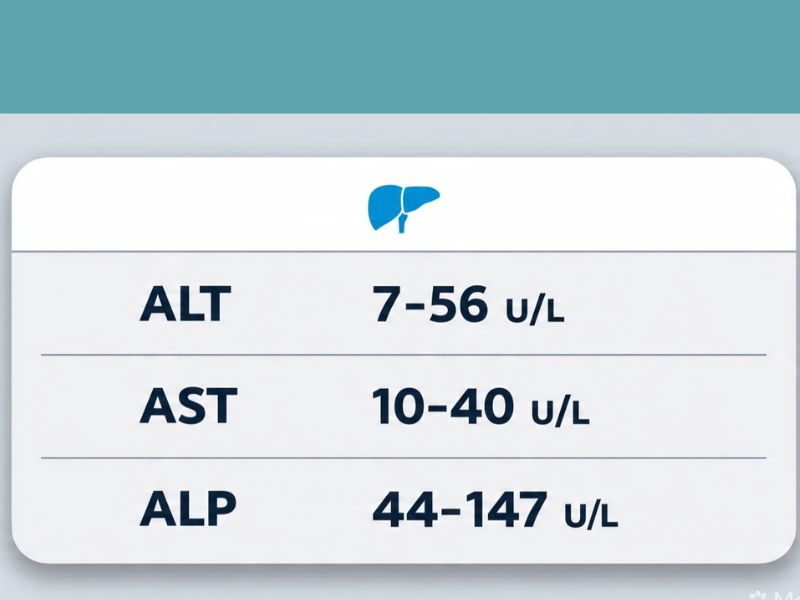
The most commonly tested liver enzymes include:
- ALT (Alanine Aminotransferase)
- AST (Aspartate Aminotransferase)
- ALP (Alkaline Phosphatase)
- GGT (Gamma-Glutamyl Transferase)
When liver cells become damaged or inflamed, these enzymes may rise above normal levels.
Common Causes of High Liver Enzymes
1. Fatty Liver Disease
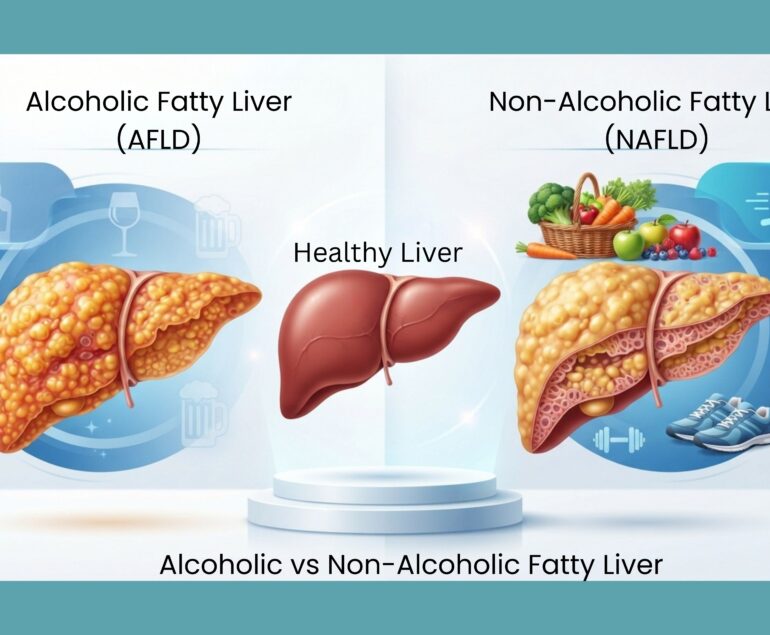
Fatty liver disease remains one of the leading causes of elevated liver enzymes. Excess fat accumulation in the liver may trigger inflammation and liver cell injury. Read more: High SGPT & SGOT Levels: Causes, Symptoms & Treatment
2. Viral Hepatitis
Hepatitis A, B, and C infections can inflame the liver and increase enzyme levels.
3. Alcohol-Related Liver Disease
Regular alcohol consumption may damage liver cells and contribute to abnormal liver function tests.
4. Certain Medications
Some medicines may affect the liver, including:
- Pain relievers
- Antibiotics
- Cholesterol medications
- Herbal supplements
Always consult your doctor before stopping prescribed medication.
5. Obesity and Metabolic Syndrome
Excess weight, diabetes, high cholesterol, and insulin resistance may increase the risk of liver inflammation.
6. Autoimmune Liver Diseases
In some cases, the body’s immune system attacks liver cells, resulting in elevated enzyme levels.
What Symptoms Can Occur With High Liver Enzymes?
Many people experience no symptoms initially. However, some may notice:
- Fatigue
- Nausea
- Abdominal discomfort
- Loss of appetite
- Bloating
- Dark urine
- Jaundice
- Unexplained weight loss
Persistent symptoms should not be ignored.
How Are High Liver Enzymes Diagnosed?
Doctors may recommend:
- Liver Function Test (LFT)
- Ultrasound Abdomen
- Fibroscan
- Viral Hepatitis Screening
- CT Scan or MRI (if needed)
The goal is to identify the underlying cause rather than treating the enzyme levels alone.
Can High Liver Enzymes Return to Normal?
In many cases, liver enzyme levels improve when the underlying condition is treated.
Helpful measures may include:
- Maintaining a healthy weight
- Exercising regularly
- Avoiding excessive alcohol
- Managing diabetes
- Following a liver-friendly diet
- Taking medications as prescribed
Regular follow-up testing helps monitor progress.
When Should You Consult a Liver Specialist?
Seek medical advice if:
- Liver enzymes remain elevated for several months
- You develop jaundice
- Persistent abdominal pain occurs
- Unexplained fatigue continues
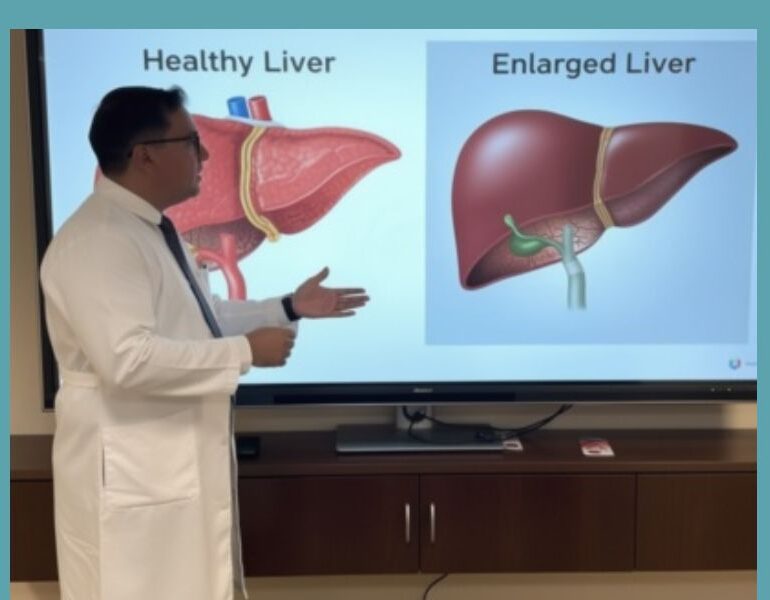
- Ultrasound shows fatty liver or liver enlargement
Early diagnosis can prevent complications and improve treatment outcomes.
Conclusion
High liver enzymes do not always mean fatty liver disease. Several conditions, including hepatitis, medications, alcohol use, obesity, and metabolic disorders, may contribute to abnormal liver test results. Identifying the underlying cause is essential for proper treatment and long-term liver health.
If your liver enzymes remain elevated, consult a liver specialist for a detailed evaluation and personalized treatment plan. For more information on liver diseases, visit the National Institute of Diabetes and Digestive and Kidney Diseases (NIDDK).