Enlarged Liver Symptoms: Causes, Diagnosis & Treatment
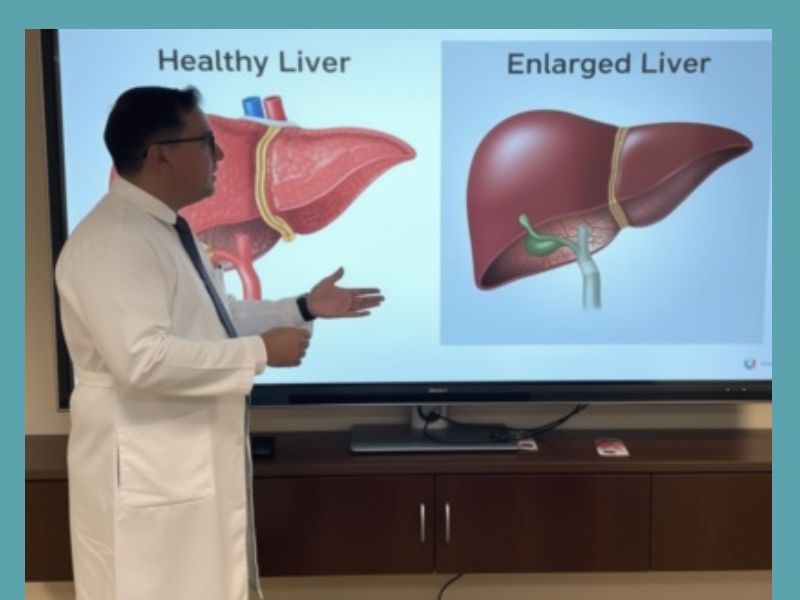
An enlarged liver, medically known as hepatomegaly, is not a disease itself but a sign of an underlying health condition. The liver may become enlarged due to fatty liver disease, hepatitis, alcohol-related liver damage, infections, or metabolic disorders.
Many people do not notice enlarged liver symptoms in the early stages. However, timely diagnosis can help prevent serious liver complications.
What Is an Enlarged Liver?
The liver is the largest internal organ in the body and performs essential functions such as:
- Removing toxins
- Producing bile for digestion
- Processing nutrients
- Storing energy
When the liver becomes larger than its normal size, it is called hepatomegaly or an enlarged liver.
Common Enlarged Liver Symptoms
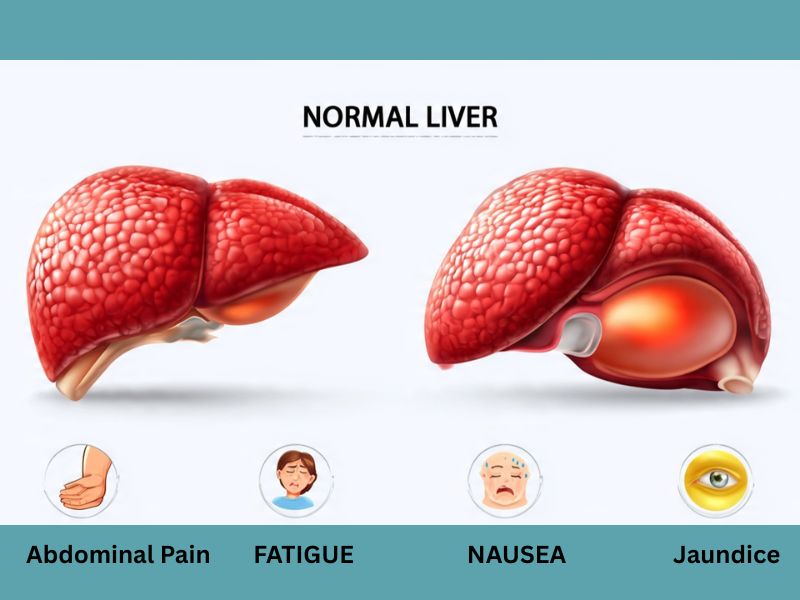
Many patients experience mild or no symptoms initially. As the condition progresses, common enlarged liver symptoms may include:
- Pain or discomfort in the upper right abdomen
- Abdominal fullness
- Fatigue
- Nausea
- Loss of appetite
- Unexplained weight loss
- Swelling in the abdomen
- Jaundice (yellowing of the skin and eyes)

Comparison of a normal liver and an enlarged liver with common symptoms
What Causes an Enlarged Liver?
Several conditions can cause the liver to enlarge.
Fatty Liver Disease
Excess fat accumulation in liver cells is one of the most common causes.
Hepatitis
Inflammation caused by viral hepatitis may enlarge the liver.
Alcohol-Related Liver Disease
Long-term alcohol consumption can damage liver tissue.
Heart Failure
Poor blood circulation may lead to liver congestion and enlargement.
Liver Tumors
Both benign and malignant liver tumors can increase liver size. To understand abnormal liver enzyme levels, read our guide on SGPT & SGOT Levels
How Is an Enlarged Liver Diagnosed?
Doctors may recommend:
- Physical examination
- Liver function tests
- Ultrasound abdomen
- CT scan
- MRI
- Fibroscan in selected patients
Imaging tests help identify the underlying cause of liver enlargement.
Treatment for Enlarged Liver
Treatment depends on the underlying cause.
Common approaches include:
- Weight loss for fatty liver disease
- Healthy diet
- Regular exercise
- Treatment of hepatitis
- Avoiding alcohol
- Managing diabetes and cholesterol
Early treatment often improves liver health and prevents complications.
When Should You See a Doctor?
Consult a liver specialist if you experience:
- Persistent abdominal pain
- Jaundice
- Severe fatigue
- Unexplained weight loss
- Abnormal liver test results
Prompt evaluation can help detect serious liver conditions early.
For additional information about liver diseases, visit the
National Institute of Diabetes and Digestive and Kidney Diseases (NIDDK)
.Conclusion
Enlarged liver symptoms should never be ignored because they may indicate an underlying liver condition that requires medical attention. Early diagnosis, lifestyle modifications, and appropriate treatment can help protect liver health and prevent long-term complications.