Is Fatty Liver Curable?
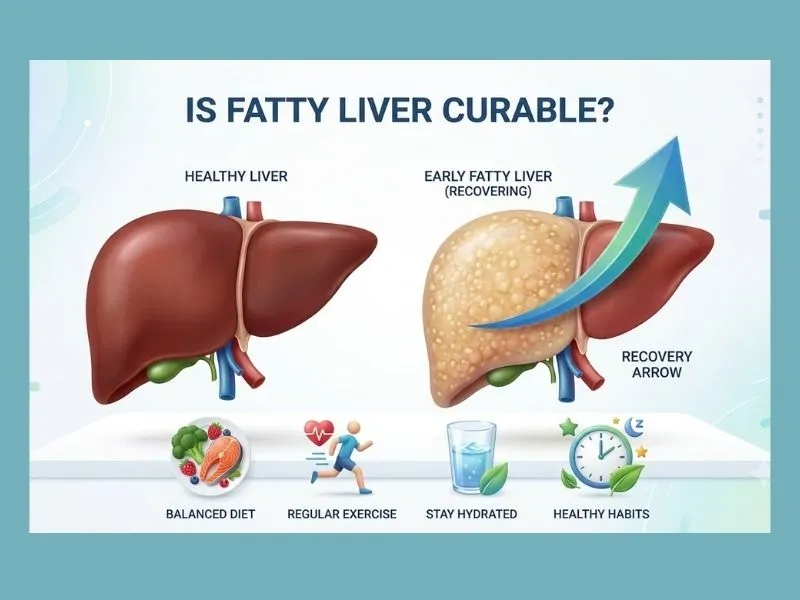
Is fatty liver curable? In many cases, fatty liver can improve significantly, especially when it is diagnosed early. The liver has a natural ability to repair itself when the underlying causes are addressed.
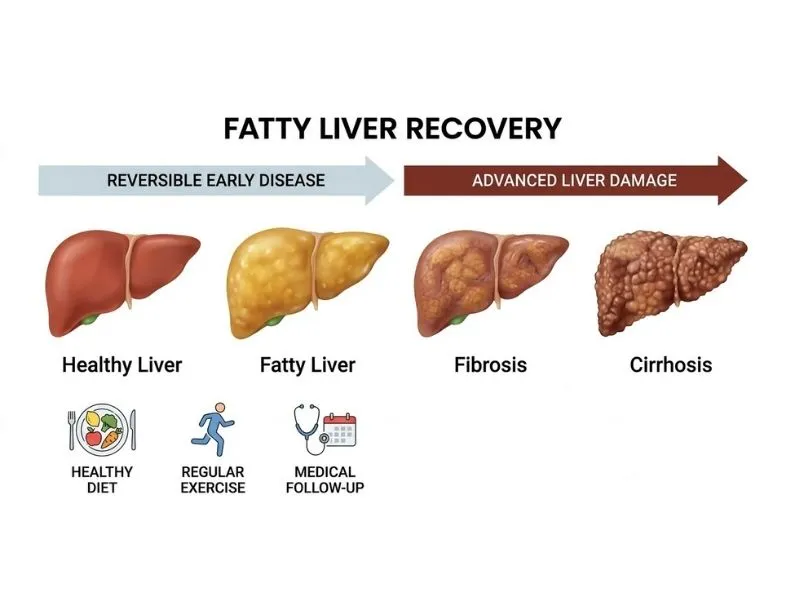
However, the outcome depends on the stage of liver disease. Simple fatty liver may improve with lifestyle changes, while advanced fibrosis or cirrhosis requires careful medical management.
What Is Fatty Liver?
Fatty liver occurs when excess fat builds up inside the liver. It can happen due to several factors, including metabolic problems, excess body weight, diabetes, high cholesterol, certain medicines, and alcohol use.
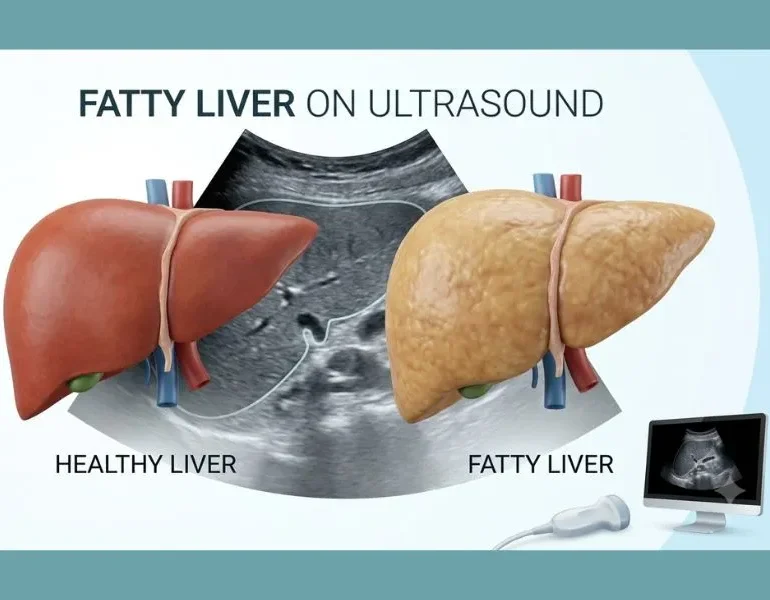
Fatty liver may not cause noticeable symptoms in its early stages. Many people discover it during a routine ultrasound or blood test.
Can Fatty Liver Be Reversed?
Early-stage fatty liver can often be reversed or greatly improved.
The most important steps include:
- Eating a balanced diet
- Regular physical activity
- Managing body weight
- Controlling blood sugar
- Managing cholesterol and triglycerides
- Avoiding excessive alcohol
- Following your doctor’s advice
The goal is not simply to reduce liver fat. It is also important to prevent inflammation and scarring.
What Happens If Fatty Liver Is Not Treated?
Ignoring fatty liver may allow the condition to progress in some people.
Possible complications include:
- Liver inflammation
- Fibrosis or liver scarring
- Cirrhosis
- Liver failure
- Increased risk of liver cancer
Not everyone with fatty liver develops these complications. Early evaluation and appropriate management can help reduce the risk.
How Long Does It Take to Improve Fatty Liver?
There is no single timeline for everyone.
The time needed to improve liver health depends on the amount of liver fat, overall health, metabolic conditions, lifestyle habits, and whether liver scarring is present.
Some people may see improvement in liver fat and liver tests after making consistent lifestyle changes. More advanced disease may require longer-term medical follow-up.
Can Diet Help Reverse Fatty Liver?
Yes. A balanced diet can play an important role in improving fatty liver.
Choose more:
- Vegetables
- Fruits in appropriate portions
- Whole grains
- Pulses and legumes
- Nuts and seeds
- Lean protein
- Water and other healthy beverages
Try to limit:
- Sugary drinks
- Highly processed foods
- Excess sweets
- Deep-fried foods
- Excess refined carbohydrates
- Excess alcohol
A diet plan should be adjusted according to your individual health needs.
Can Exercise Help Fatty Liver?
Regular physical activity can help reduce liver fat and improve overall metabolic health.
Walking, cycling, swimming, strength training, or other suitable activities can be useful. Start gradually if you are not physically active and choose an exercise routine that is appropriate for your health.
Does Fatty Liver Always Need Medicine?
Not every person with fatty liver needs medication.
Treatment depends on the cause, severity, presence of inflammation or fibrosis, and other health conditions. Your doctor may recommend lifestyle changes, medical treatment, monitoring, or additional tests depending on your situation.
Do not start or stop any medicine without medical advice.
How Is Fatty Liver Severity Checked?
Doctors may use several tests to understand liver health, such as:
- Liver Function Tests (LFT)
- Ultrasound
- FibroScan
- Blood tests
- CT or MRI when required
These tests can help identify liver fat and assess whether there may be liver damage or scarring.
Learn more about FibroScan Score Meaning: How to Understand Your Liver Stiffness Report.
Can Fatty Liver Be Cured After Fibrosis?
Fibrosis means that scar tissue has developed in the liver.
Early fibrosis may improve when the underlying cause is treated. Advanced scarring is more difficult to reverse and needs specialist care.
This is why identifying liver disease early is important.
When Should You See a Liver Specialist?
You should consider medical evaluation if:
- Fatty liver was found on an ultrasound
- Liver enzymes are repeatedly abnormal
- You have diabetes or high cholesterol
- You have persistent abdominal discomfort
- You have symptoms such as jaundice or swelling
- You are concerned about liver fibrosis or cirrhosis
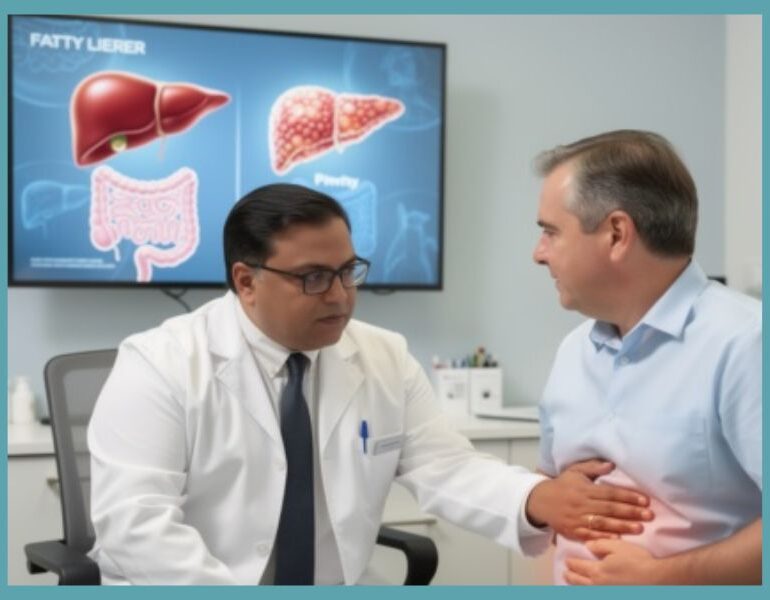
A liver specialist can assess your condition and recommend appropriate tests and treatment.
Conclusion
So, is fatty liver curable? Early fatty liver can often improve significantly when the underlying causes are addressed. Healthy eating, regular physical activity, management of diabetes and cholesterol, and appropriate medical follow-up can support better liver health.
If fibrosis or cirrhosis is already present, treatment focuses on controlling the cause, preventing further damage, and monitoring liver function. If you have fatty liver or abnormal liver tests, consult a liver specialist for an appropriate evaluation.
For trusted information about fatty liver disease, visit the National Institute of Diabetes and Digestive and Kidney Diseases (NIDDK).