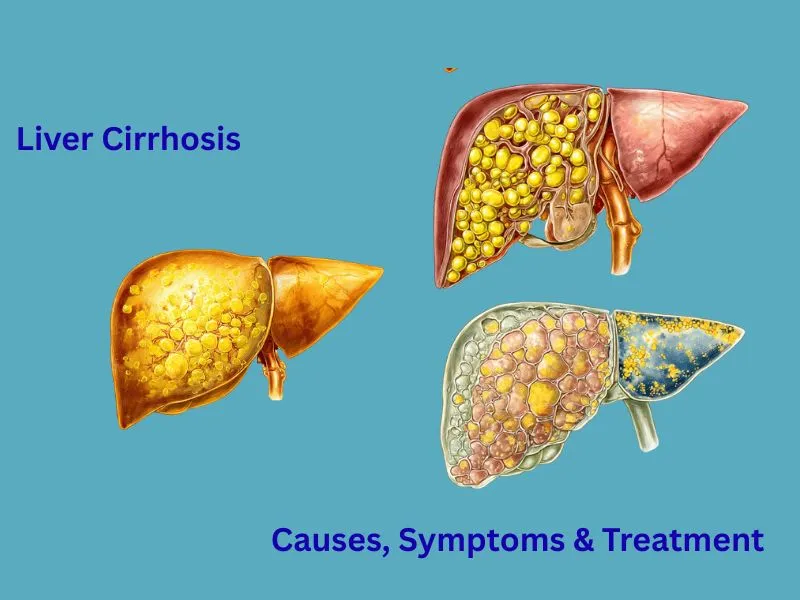
Liver Cirrhosis: Causes, Symptoms & Treatment
Liver cirrhosis is a serious condition in which healthy liver tissue is replaced by scar tissue. Over time, this damage affects the liver’s ability to function properly. The liver is important for detoxification, digestion, and protein production. When it is damaged, overall health is affected.
Understanding the causes, symptoms, and treatment options is important for early diagnosis and better management.
What is Liver Cirrhosis?
Liver cirrhosis is the late stage of long-term liver disease. It develops slowly over time due to continuous liver damage. As scar tissue increases, blood flow through the liver becomes restricted.
This condition may not show symptoms in the early stage, but timely detection can prevent complications.
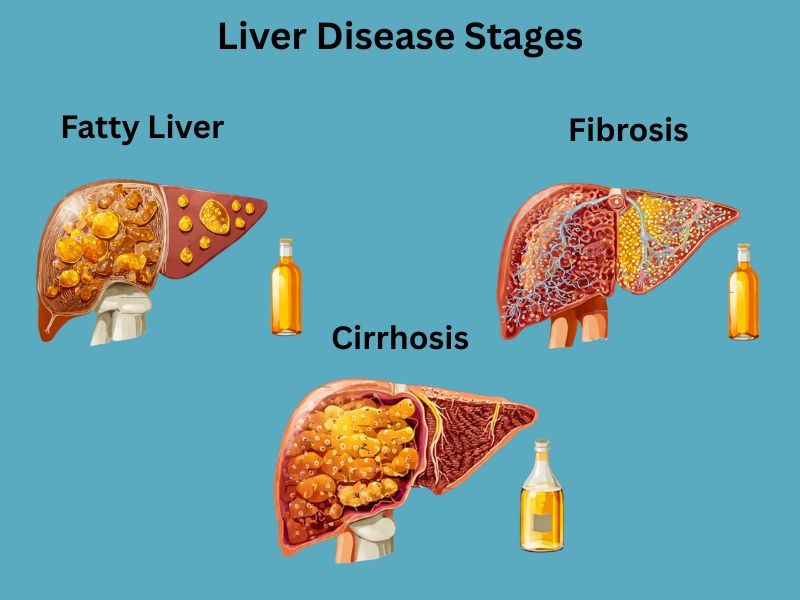
Common Causes of Liver Cirrhosis
Several factors can lead to this liver disease:
Chronic Alcohol Consumption
Long-term alcohol use damages liver cells and leads to liver damage.
Viral Hepatitis
Infections like hepatitis B and C can gradually harm the liver.
Non-Alcoholic Fatty Liver Disease (NAFLD)
Fat buildup in the liver can cause inflammation. Learn more about
fatty liver disease in young adults.
Autoimmune Liver Diseases
Sometimes, the immune system attacks liver cells.
Genetic Disorders
Certain inherited conditions can also affect liver health.
Early Symptoms of Liver Cirrhosis
In early stages, liver cirrhosis may not show clear symptoms. As the condition progresses, patients may experience:
- Fatigue
- Weakness
- Loss of appetite
- Nausea
- Weight loss
- Mild abdominal pain
Advanced symptoms may include:
- Yellowing of skin and eyes (jaundice)
- Swelling in abdomen or legs
- Easy bleeding or bruising
- Confusion
Diagnosis of Liver Cirrhosis
Doctors use different tests to check liver health and damage:
- Liver Function Test (LFT)
- Ultrasound
- CT scan or MRI
- FibroScan
- Liver biopsy (if needed)
According to the
World Health Organization liver disease information
, liver diseases are a major global health concern.
Treatment Options for Liver Cirrhosis
Treatment focuses on slowing disease progression and managing symptoms.
Lifestyle Changes
- Avoid alcohol
- Maintain healthy weight
- Eat balanced diet
- Avoid harmful medicines
Medications
Doctors may prescribe medicines to control infection and complications.
Advanced Treatment
In severe cases, specialized procedures or
advanced liver treatment options
When Should You Consult a Liver Specialist?
You should consult a specialist if:
- Continuous fatigue
- Yellow skin or eyes
- Abdominal swelling
- Abnormal liver tests
Early medical care helps prevent serious complications.
Conclusion
Liver cirrhosis is a serious condition but can be managed with early diagnosis and proper treatment. Maintaining a healthy lifestyle and regular checkups can help protect liver health.
If you notice symptoms, do not ignore them. Timely consultation can make a big difference.