What Happens If Fatty Liver Is Left Untreated?
Introduction
Fatty liver disease is becoming one of the most common liver conditions worldwide. Many people discover they have fatty liver during a routine health check-up or an ultrasound. Since the early stages often have no symptoms, some people ignore the condition.
However, fatty liver should not be taken lightly. If left untreated, it can gradually damage the liver and lead to serious health problems. The good news is that early diagnosis and lifestyle changes can often prevent complications.
What Is Fatty Liver Disease?
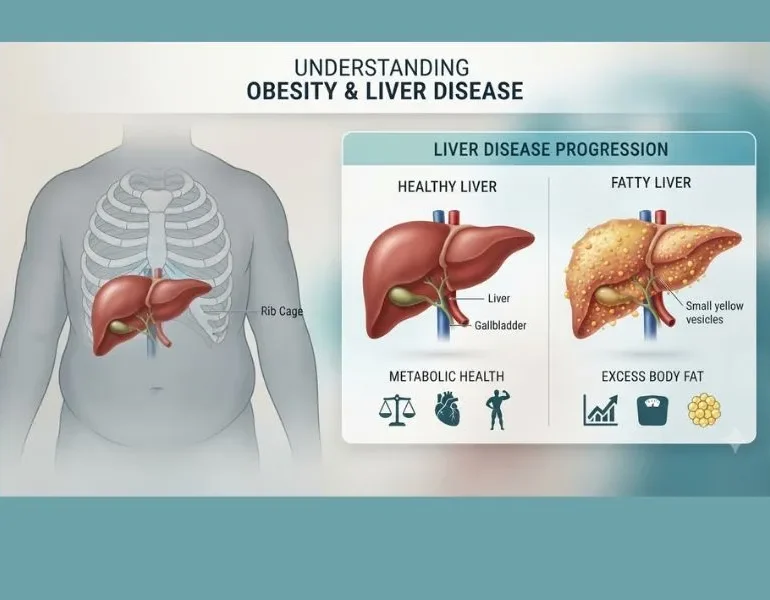
Fatty liver disease occurs when excess fat builds up inside liver cells. Small amounts of fat in the liver are normal, but too much fat can affect how the liver works.
The two main types are:
- Non-Alcoholic Fatty Liver Disease (NAFLD)
- Alcoholic Fatty Liver Disease (AFLD)
In many people, fatty liver can improve if treated early.
What Happens If Fatty Liver Is Left Untreated?
If fatty liver is ignored for months or years, the condition may gradually become more serious.
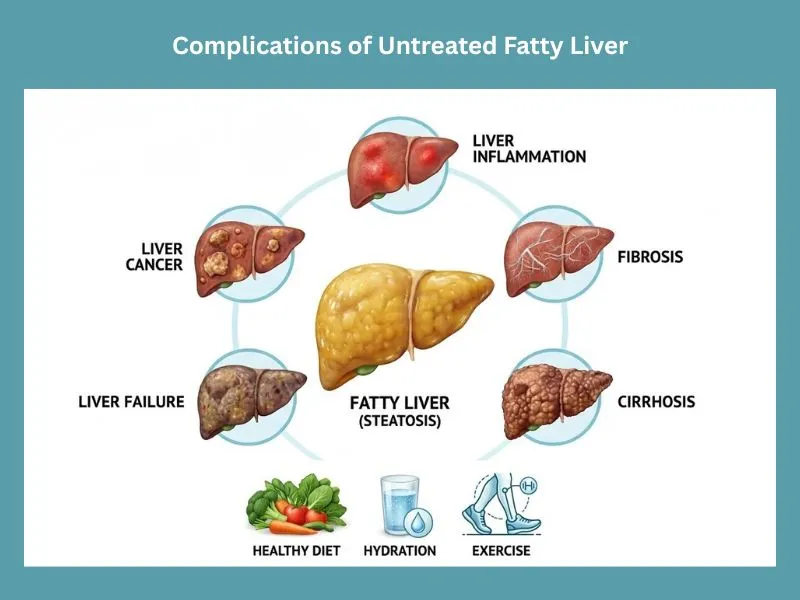
Possible complications include:
- Liver inflammation
- Liver fibrosis (scarring)
- Cirrhosis
- Liver failure
- Increased risk of liver cancer
Not everyone with fatty liver develops these complications, but the risk increases if the condition is not managed.
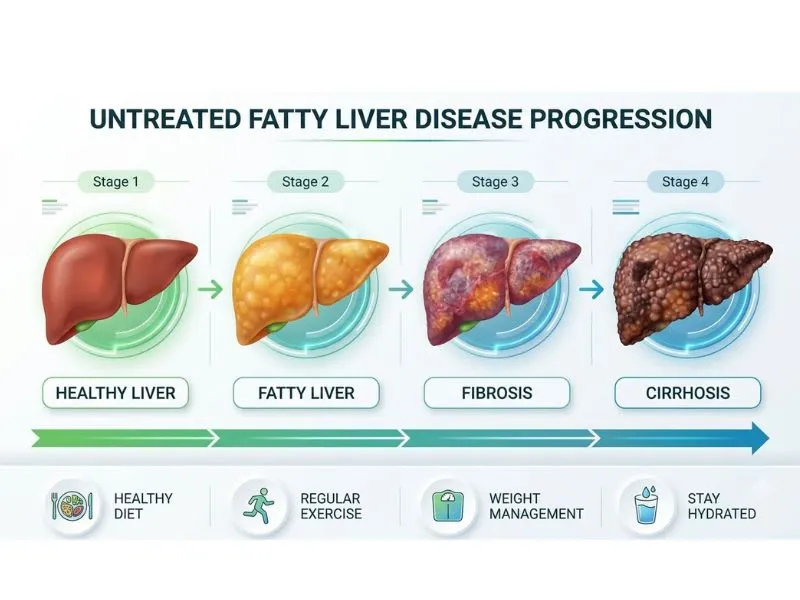
Stages of Untreated Fatty Liver
Stage 1 – Simple Fatty Liver
Fat collects inside the liver, but there is little or no inflammation.
Stage 2 – Fatty Liver with Inflammation (NASH)
The liver becomes inflamed, and liver cells may start to get damaged.
Stage 3 – Fibrosis
Scar tissue develops in the liver. The liver can still work, but damage is increasing.
Stage 4 – Cirrhosis
Extensive scarring affects liver function. This stage may lead to liver failure and requires specialist care.
Symptoms That Should Not Be Ignored
Many people have no symptoms in the early stages. As liver damage progresses, symptoms may include:
- Persistent fatigue
- Pain in the upper right abdomen
- Yellow skin or eyes (jaundice)
- Dark urine
- Swelling in the legs or abdomen
- Loss of appetite
- Unexplained weight loss
If you notice these symptoms, seek medical advice promptly.
Who Is at Higher Risk?
You may have a higher risk if you:
- Have excess body weight
- Have Type 2 diabetes
- Have high cholesterol
- Have high triglycerides
- Drink excessive alcohol
- Are physically inactive
Can Untreated Fatty Liver Be Prevented from Getting Worse?
Yes. Early action can make a big difference.
Helpful steps include:
- Follow a balanced diet
- Exercise regularly
- Maintain a healthy body weight
- Control diabetes and cholesterol
- Avoid alcohol if advised by your doctor
- Attend regular medical check-ups
When Should You See a Liver Specialist?
Consult a liver specialist if you:
- Have persistent abdominal pain
- Have abnormal liver function tests
- Have fatty liver on ultrasound
- Notice jaundice or swelling
- Have symptoms that continue despite lifestyle changes
Early treatment can reduce the risk of serious liver damage.Read more:
High SGPT & SGOT Levels: Causes, Symptoms & Treatment
Conclusion
Fatty liver may seem harmless in its early stages, but ignoring it can increase the risk of liver inflammation, fibrosis, cirrhosis, and other serious complications. The good news is that early diagnosis, healthy lifestyle changes, and regular follow-up can often prevent permanent liver damage. If you have fatty liver or abnormal liver test results, consult a liver specialist for proper evaluation and treatment.For more information about fatty liver disease, visit the
National Institute of Diabetes and Digestive and Kidney Diseases (NIDDK).