Signs You May Need a Liver Transplant: When to See a Liver Transplant Specialist
Liver disease often progresses silently. Many patients do not realize the severity of their condition until significant liver damage has already occurred. While medications and lifestyle changes can help in the early stages, some patients eventually reach a point where a liver transplant becomes the most effective treatment option.
Understanding the warning signs can help patients seek timely medical care and improve long-term outcomes.
What Is a Liver Transplant?
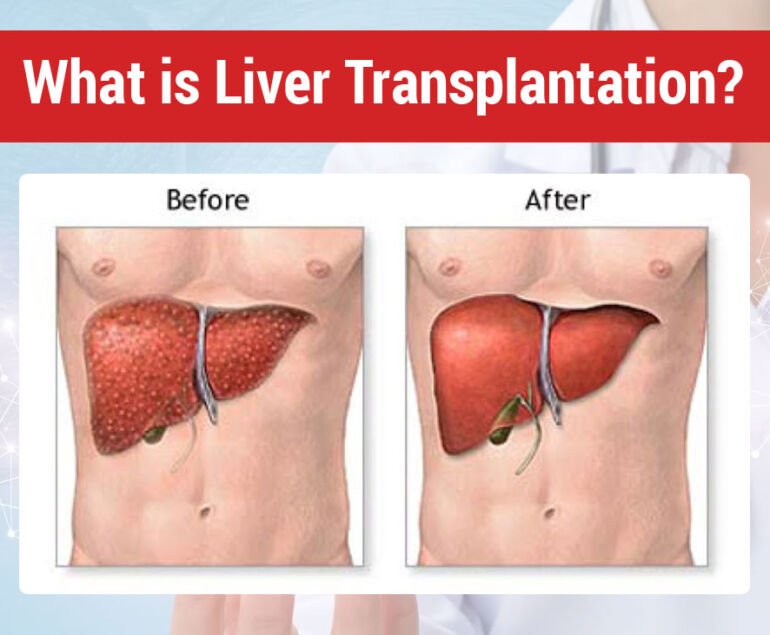
A liver transplant is a surgical procedure in which a damaged or failing liver is replaced with a healthy donor liver. It is usually recommended for patients with end-stage liver disease, liver failure, or certain liver cancers when other treatment options are no longer effective.
1. Persistent Jaundice
One of the most common signs of advanced liver disease is jaundice.
Symptoms include:
- Yellowing of the eyes
- Yellow skin
- Dark-colored urine
- Pale stools
Persistent jaundice may indicate that the liver is no longer processing bilirubin properly.
2. Fluid Build-Up in the Abdomen (Ascites)
Ascites refers to the accumulation of fluid in the abdominal cavity.
Patients may notice:
- Abdominal swelling
- Rapid increase in waist size
- Discomfort while sitting or walking
- Shortness of breath
Recurrent ascites is often a sign of advanced cirrhosis.
3. Severe Fatigue and Weakness
Feeling constantly tired despite adequate rest may be a sign of worsening liver function.
Many patients experience:
- Lack of energy
- Muscle weakness
- Difficulty performing daily activities
- Reduced physical stamina

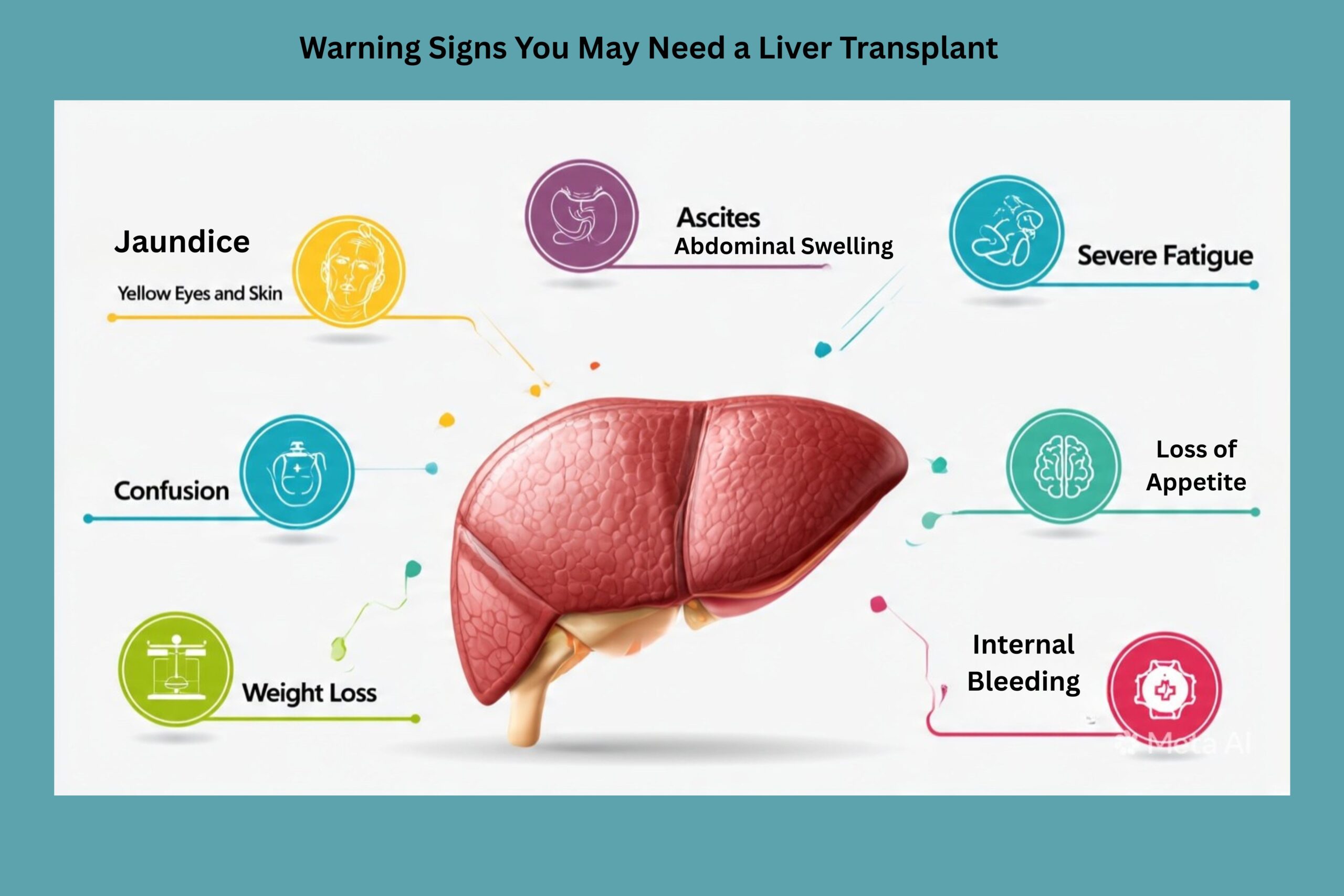
Common warning signs of advanced liver disease that may indicate the need for liver transplant evaluation.
4. Confusion or Memory Problems
When the liver fails to remove toxins from the bloodstream, these toxins can affect brain function.
Symptoms may include:
- Confusion
- Forgetfulness
- Difficulty concentrating
- Mood changes
- Altered sleep patterns
This condition is known as hepatic encephalopathy and requires immediate medical attention.
5. Repeated Hospital Admissions
Frequent hospitalization due to liver-related complications may indicate that the disease is progressing.
Common reasons include:
- Ascites
- Infections
- Internal bleeding
- Severe jaundice
- Liver failure
Patients requiring repeated admissions should undergo transplant evaluation.
6. Internal Bleeding
Advanced liver disease can cause enlarged veins in the food pipe (esophagus), known as varices.
Warning signs include:
- Vomiting blood
- Black stools
- Sudden weakness
- Dizziness
This is a medical emergency and should never be ignored.
7. Easy Bruising and Bleeding
The liver produces proteins that help blood clot normally.
When liver function declines, patients may experience:
- Frequent bruising
- Bleeding gums
- Nosebleeds
- Delayed clotting after minor injuries
8. Swelling in the Legs and Feet
Fluid retention is common in advanced liver disease.
Patients may notice:
- Swollen ankles
- Foot swelling
- Tight shoes
- Leg discomfort
This may occur along with ascites.
9. Unexplained Weight Loss
Loss of appetite and muscle wasting are common signs of severe liver disease.
Symptoms include:
- Poor appetite
- Weight loss
- Muscle weakness
- Reduced strength
Persistent weight loss should be evaluated by a liver specialist.
10. Advanced Cirrhosis
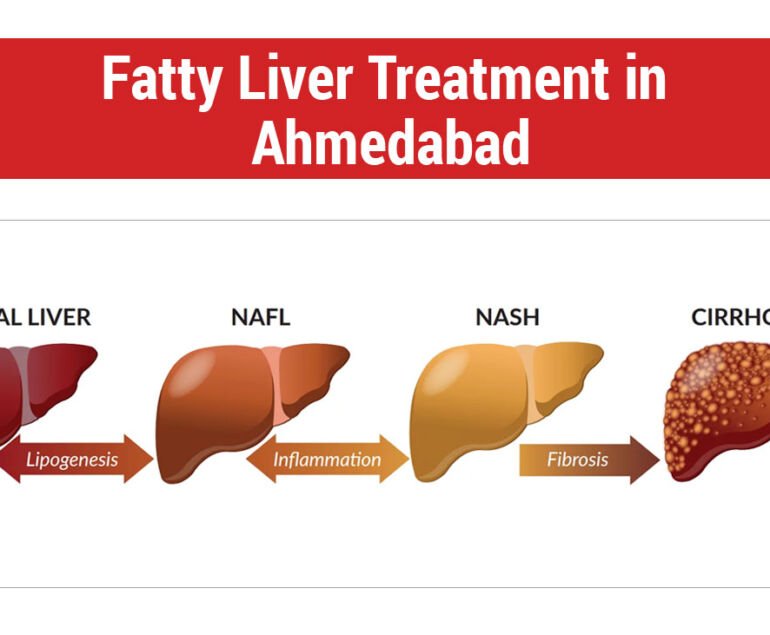
Cirrhosis is one of the leading reasons patients eventually require a liver transplant.
If cirrhosis causes repeated complications, liver transplantation may offer the best chance for long-term survival and improved quality of life.
Many patients with advanced cirrhosis eventually require transplant evaluation. Understanding the severity of liver scarring is important.
Read more: Liver Cirrhosis: Causes, Symptoms & Treatment
When Should You Consult a Liver Transplant Specialist?
You should seek specialist evaluation if you have:
- Persistent jaundice
- Recurrent ascites
- Cirrhosis
- Liver failure
- Repeated hospital admissions
- Internal bleeding
- Confusion related to liver disease
Early consultation allows timely assessment and better treatment planning.
Choosing an experienced liver transplant specialist can make a significant difference in treatment planning and outcomes.
Learn more: Meet Dr. Divakar Jain: Your Trusted Liver Transplant Specialist in Ahmedabad
Can a Liver Transplant Save Lives?
Yes. A liver transplant can be life-saving for patients with advanced liver disease. Modern liver transplantation offers excellent outcomes when performed at the right time by an experienced liver transplant team.
Early referral and proper evaluation are essential for successful treatment. For more information about liver transplantation, visit: Mayo Clinic – Liver Transplant Overview
Conclusion
Recognizing the warning signs of advanced liver disease is critical for timely treatment. Symptoms such as persistent jaundice, ascites, confusion, internal bleeding, and recurrent hospitalizations may indicate the need for a liver transplant evaluation.
Consulting a liver transplant specialist early can help determine the most appropriate treatment plan and improve long-term outcomes.