Introduction
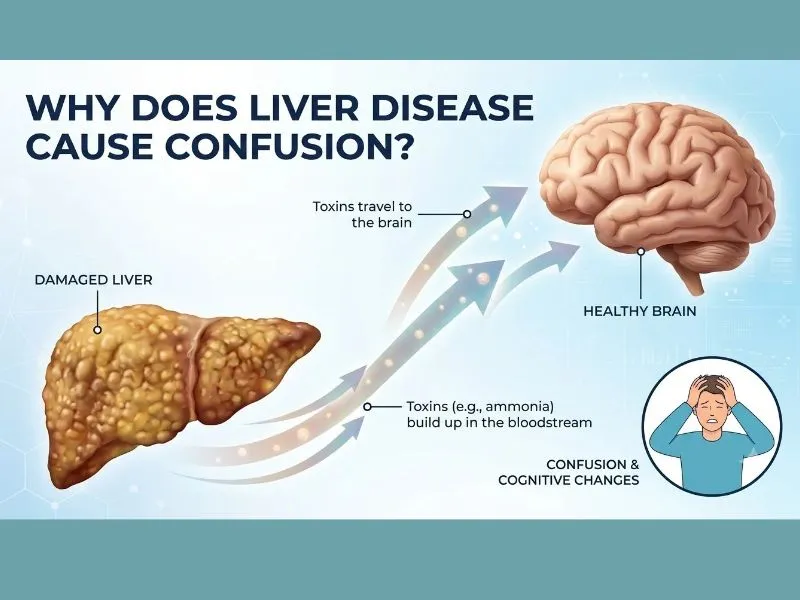
Liver disease confusion can occur when the damaged liver cannot remove harmful substances from the blood effectively. These substances may affect the brain and change how a person thinks, behaves, or remembers things.
This condition is called hepatic encephalopathy (HE). It can occur in people with advanced liver disease, including cirrhosis.
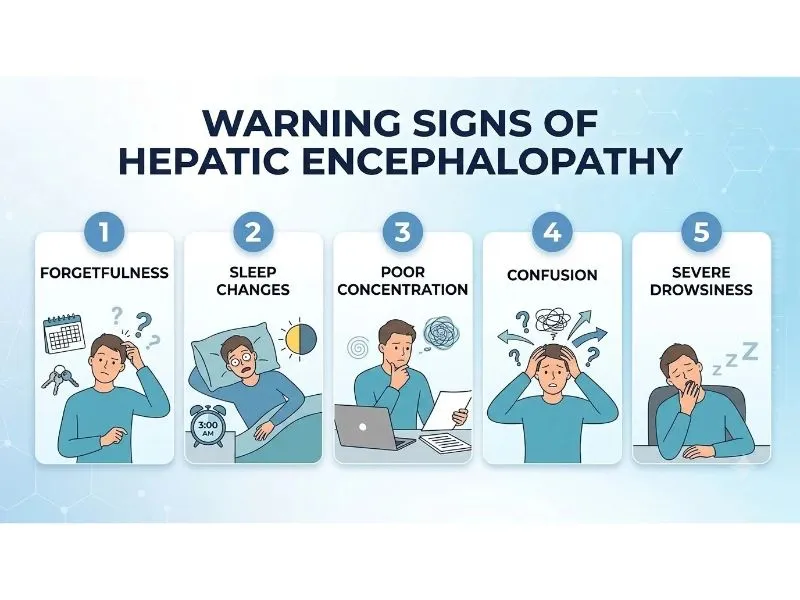
Early signs may include forgetfulness, poor concentration, and changes in sleep patterns. In severe cases, a person may become disoriented or lose consciousness. Recognizing these symptoms is important because prompt treatment can help prevent serious complications.
What Is Hepatic Encephalopathy?
Hepatic encephalopathy is a condition that affects brain function because of severe liver dysfunction or changes in blood flow around the liver.
Normally, the liver filters harmful substances from the blood. However, a damaged liver may not remove these substances properly. Some blood may also bypass the liver, allowing toxins to enter the body’s circulation.
As a result, these substances can affect the brain. The person may experience confusion, memory problems, unusual behavior, or excessive sleepiness.
Hepatic encephalopathy can range from mild changes in thinking to severe problems with consciousness. It requires medical assessment and appropriate treatment.
Why Does Liver Disease Cause Confusion?
Several changes can contribute to confusion in people with liver disease.
1. Buildup of Ammonia
Ammonia is produced naturally when the body breaks down protein. A healthy liver helps convert ammonia into a substance that the body can remove.
When the liver is severely damaged, ammonia may build up in the blood. It can affect brain function and contribute to confusion.
However, ammonia is not the only substance involved. Doctors assess symptoms and other possible causes rather than relying on an ammonia blood test alone.
2. Reduced Liver Function
The liver performs many important jobs, including processing nutrients, removing harmful substances, and producing essential proteins.
When liver function declines, waste products may accumulate. These changes can affect normal brain activity and lead to difficulty concentrating or thinking clearly.
3. Changes in Blood Flow
Advanced cirrhosis can increase pressure in the blood vessels around the liver. This condition is called portal hypertension.
The body may develop alternative blood pathways that allow some blood to bypass the liver. Consequently, substances that the liver would normally process can reach the general circulation and affect the brain.
4. Infections and Other Triggers
People with advanced liver disease can develop confusion when another health problem occurs.
Common triggers include:
- Infections
- Constipation
- Internal bleeding
- Dehydration
- Electrolyte imbalances
- Certain medicines, including some sedatives
Treating the underlying trigger is an important part of managing hepatic encephalopathy. Never stop prescribed medicines or change their doses without medical advice.
What Are the Warning Signs of Liver Disease Confusion?
The symptoms can begin gradually or appear suddenly. They may become more serious without timely treatment.
Early Symptoms
Early signs may include:
- Forgetfulness
- Difficulty concentrating
- Changes in sleeping patterns
- Unusual irritability
- Mild confusion
- Difficulty completing familiar tasks
Family members may notice these changes before the affected person does.
More Serious Symptoms
As hepatic encephalopathy worsens, a person may experience:
- Disorientation about time or place
- Noticeable personality changes
- Slurred speech
- Severe sleepiness
- Difficulty responding normally
- Reduced consciousness
Sudden confusion, severe drowsiness, or reduced consciousness requires emergency medical assessment. Do not assume that these symptoms are caused by liver disease alone. Other emergencies, including stroke, can also cause confusion.
Does Confusion Mean That Liver Disease Is at an Advanced Stage?
Confusion in someone with cirrhosis may indicate hepatic encephalopathy, which is a serious complication.
However, confusion does not automatically confirm the stage of liver disease. Doctors must assess the person’s liver function, symptoms, medical history, and possible triggers.
Some people with cirrhosis develop subtle changes in attention or memory. Others develop more obvious symptoms that require urgent treatment.
If a person with known liver disease develops new confusion, seek prompt medical assessment. Early treatment can help identify the cause and reduce the risk of further complications.
Liver cirrhosis can lead to serious complications, including confusion and changes in brain function. Learn more about liver cirrhosis, its symptoms, and treatment options in our detailed guide.
How Do Doctors Diagnose Hepatic Encephalopathy?
Doctors evaluate symptoms, medical history, and physical examination findings. They also check for other conditions that can cause confusion.
Blood Tests
Blood tests can help assess liver function, kidney function, blood glucose, electrolytes, and signs of infection.
Doctors may also investigate bleeding or other problems that could trigger the symptoms.
An ammonia test may sometimes be considered, but its result alone cannot reliably confirm or measure the severity of hepatic encephalopathy.
Medical History and Examination
Doctors may ask when the confusion began, whether sleep or behaviour has changed, and what medicines the person takes.
They may also check alertness, memory, orientation, and other neurological signs.
Additional Tests
Depending on the symptoms, doctors may order further tests or brain imaging to rule out other causes, such as stroke or bleeding in the brain.
The choice of tests depends on the person’s condition and the suspected cause.
How Is Liver Disease Confusion Treated?
Treatment focuses on controlling hepatic encephalopathy, correcting the trigger, and managing the underlying liver disease.
Doctors may recommend the following treatments.
Medicines
Doctors commonly use lactulose to help reduce the absorption of ammonia in the intestine and support its removal from the body.
In some cases, they may prescribe rifaximin alongside other treatment to help prevent recurrent episodes.
These medicines require professional guidance. The dose and treatment plan depend on the patient’s condition.
Treating the Underlying Cause
If an infection, internal bleeding, constipation, dehydration, or an electrolyte problem triggers confusion, doctors will treat that problem as well.
Finding and correcting the trigger is essential for recovery.
Nutrition and Follow-Up
People with liver disease need an appropriate nutrition plan. Protein should not be restricted without medical advice because inadequate protein can worsen muscle loss and poor nutrition.
Doctors may recommend regular monitoring, dietary guidance, and changes to medicines when needed. Severe or recurrent hepatic encephalopathy may require specialized liver care.
Can Hepatic Encephalopathy Improve?
Yes. Many episodes can improve with appropriate treatment, especially when doctors identify and correct the trigger.
However, recovery depends on the severity of the episode, the condition of the liver, and other health problems.
Some people experience repeated episodes. They may need ongoing medication, regular follow-up, and treatment for the underlying liver disease.
Family members can help by noticing changes in behavior, following the prescribed treatment plan, and seeking medical help if symptoms return.
When Should You Seek Medical Help?
Contact a doctor promptly if a person with liver disease develops new forgetfulness, unusual behavior, or changes in their sleep pattern.
Seek emergency medical care if the person develops:
- Sudden or severe confusion
- Difficulty waking up
- Reduced consciousness
- Seizures
- Vomiting blood or passing black, tar-like stools
- Fever with worsening confusion
These symptoms can indicate a serious medical problem. Do not try to manage severe confusion at home.
Conclusion
Liver disease can cause confusion when toxins affect the brain. This condition, called hepatic encephalopathy, is often associated with advanced liver disease and cirrhosis.
Early symptoms may include forgetfulness, poor concentration, and sleep changes. Severe symptoms can include disorientation and reduced consciousness.
The good news is that appropriate treatment can often improve symptoms. Doctors also need to identify triggers and manage the underlying liver condition.
If you or a family member has liver disease and develops confusion, seek medical assessment promptly.For further medical information, read the NIDDK guide to cirrhosis and its complications.