

Uric Acid Symptoms and Diet: Best Foods to Control High Uric Acid
Uric acid symptoms and diet are closely connected because unhealthy eating habits are one of the main causes of high uric acid levels. Many people experience joint pain, swelling, or stiffness without realizing that elevated uric acid may be the reason.
Understanding uric acid symptoms and diet helps prevent gout attacks, kidney stones, and long-term joint problems.
What Is Uric Acid?
Uric acid is a waste product formed when the body breaks down substances called purines. Normally, the kidneys remove uric acid through urine.
However, excess uric acid can build up in the blood and form crystals inside joints.
Normal uric acid levels:
- Men: 3.4–7.0 mg/dL
- Women: 2.4–6.0 mg/dL
Common Uric Acid Symptoms
Best Diet for High Uric Acid
A healthy uric acid diet can help reduce symptoms naturally.
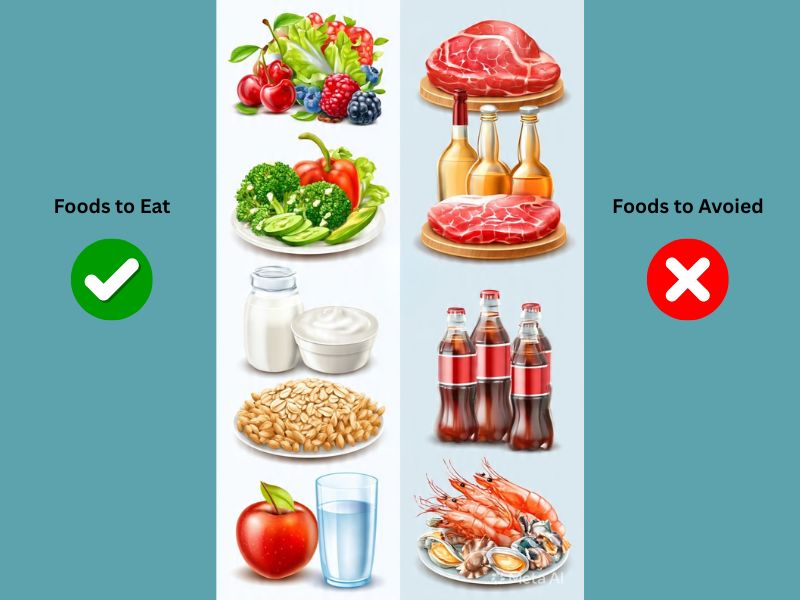
Best foods include:
- Low-fat milk
- Fruits like apples and cherries
- Green vegetables
- Whole grains
- Plenty of water
Foods to avoid:
- Red meat
- Organ meat
- Sugary drinks
- Excess seafood
- Alcohol
The most common uric acid symptoms include:
- Sudden joint pain
- Swelling in toes or ankles
- Redness around joints
- Stiffness in knees
- Burning sensation in joints
The big toe is one of the most commonly affected areas.
Causes of High Uric Acid
Several factors can increase uric acid levels:
- High-protein diet
- Red meat consumption
- Alcohol intake
- Obesity
- Kidney disease
- Diabetes
Lifestyle changes are one of the biggest causes today.
How Is High Uric Acid Diagnosed?
Doctors diagnose high uric acid using:
- Blood uric acid test
- Kidney function tests
- Joint fluid analysis (in severe cases)
- X-ray or ultrasound
Early diagnosis helps prevent joint damage. Read more:
Vitamin B12 Deficiency Symptoms & Treatment
Treatment for High Uric Acid
Treatment depends on severity.
Common treatments include:
- Medicines to reduce uric acid
- Pain relief medicines
- Weight loss
- Dietary changes
- Increased water intake
Most patients improve with proper lifestyle management.
Natural Ways to Reduce Uric Acid
You can naturally lower uric acid by:
- Drinking 2–3 liters of water daily
- Exercising regularly
- Avoiding processed foods
- Maintaining healthy weight
Healthy lifestyle habits play a major role in preventing gout attacks.
When Should You Consult a Doctor?
Consult a doctor if:
- Joint pain becomes severe
- Swelling increases
- Symptoms keep recurring
- Uric acid levels remain high
Early treatment helps avoid kidney and joint complications.According to the World Health Organization
lifestyle-related diseases are increasing rapidly due to unhealthy dietary habits.
Conclusion
Uric acid symptoms and diet are strongly connected because unhealthy eating habits can worsen joint pain and inflammation. Early diagnosis, proper diet, and healthy lifestyle changes help control uric acid levels naturally and prevent complications.
If symptoms persist, consult a healthcare professional for proper treatment and long-term management.