Fatty Liver Grade 1, 2, 3 Explained in Simple Language
Fatty liver grades explained is one of the most common topics patients search after an ultrasound report. Many people are told they have grade 1, grade 2, or grade 3 fatty liver but do not understand what it means. Therefore, learning about fatty liver grades explained helps in early treatment and prevention. Fatty liver grading helps doctors understand how much fat has accumulated in the liver and how serious the condition is. Early grades are often reversible, while advanced grades require close medical attention.
This guide explains fatty liver grades in simple language, associated risks, and when treatment becomes necessary.
What Does Fatty Liver Grading Mean?
Fatty liver grading is done using an ultrasound or FibroScan. It shows how much fat is present inside liver cells.
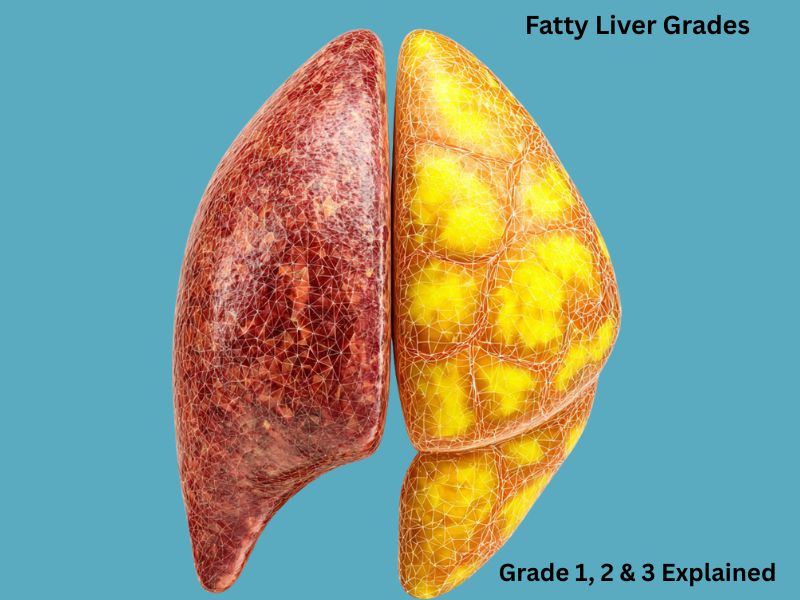
The grades are divided into:
Grade 1 – Mild fatty liver
Grade 2 – Moderate fatty liver
Grade 3 – Severe fatty liver
Higher grades indicate more fat and higher risk of liver damage.
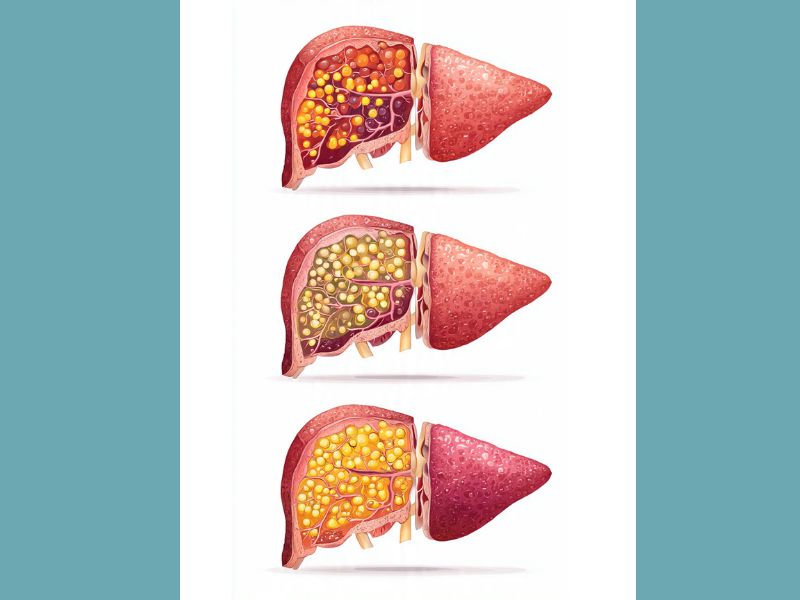
Fatty Liver Grade 1 Explained (Mild Stage)
Grade 1 fatty liver means mild fat accumulation in the liver.
Common findings:
Usually no symptoms
Liver enzymes may be normal
Often detected incidentally
Is it serious?
No. Grade 1 is fully reversible with lifestyle changes.
Fatty Liver Grade 2 Explained (Moderate Stage)
Grade 2 fatty liver indicates moderate fat buildup and early liver stress.
Possible symptoms:
Tiredness
Bloating
Right-side abdominal heaviness
Risk:
If untreated, grade 2 may progress to inflammation or fibrosis.Read more about Fatty Liver Disease in Young Adults. For more details, read our guide on Fatty Liver Disease in Young Adults – A Rising Concern in India.
Fatty Liver Grade 3 Explained (Severe Stage)
Grade 3 fatty liver means heavy fat accumulation and high risk of liver damage.
Associated risks:
Liver inflammation (NASH)
Fibrosis
Cirrhosis over time
Grade 3 fatty liver needs medical supervision, not just diet control.
Can Fatty Liver Grades Be Reversed?
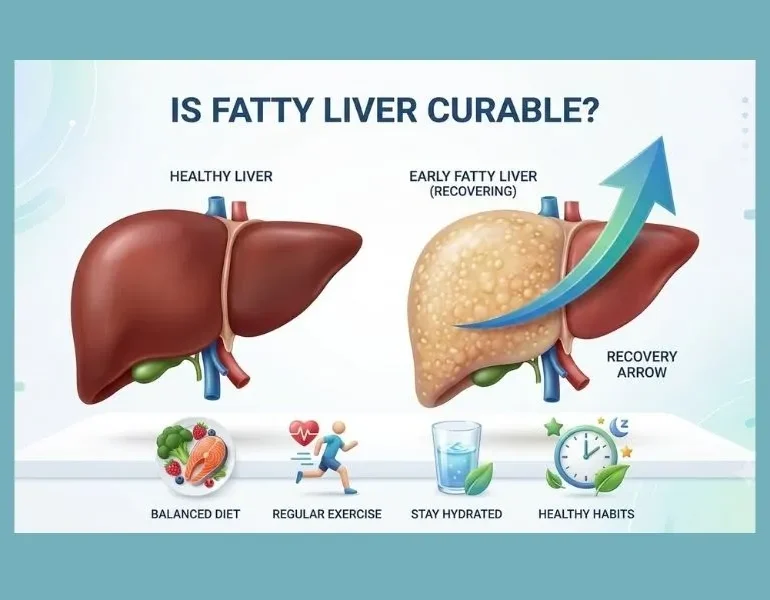
Grade 1 → ✅ Reversible
Grade 2 → ⚠️ Partially reversible
Grade 3 → ❌ Damage controlled, not fully reversed
Early diagnosis plays the biggest role in outcome.
How Fatty Liver Is Treated Based on Grade
Mild (Grade 1):
Weight loss
Diet control
Exercise
Moderate to Severe (Grade 2–3):
Lifestyle changes
Medical treatment
Regular FibroScan monitoring According
When Should You Consult a Liver Specialist?
You should consult a specialist if:
Fatty liver persists > 6 months
FibroScan score increases
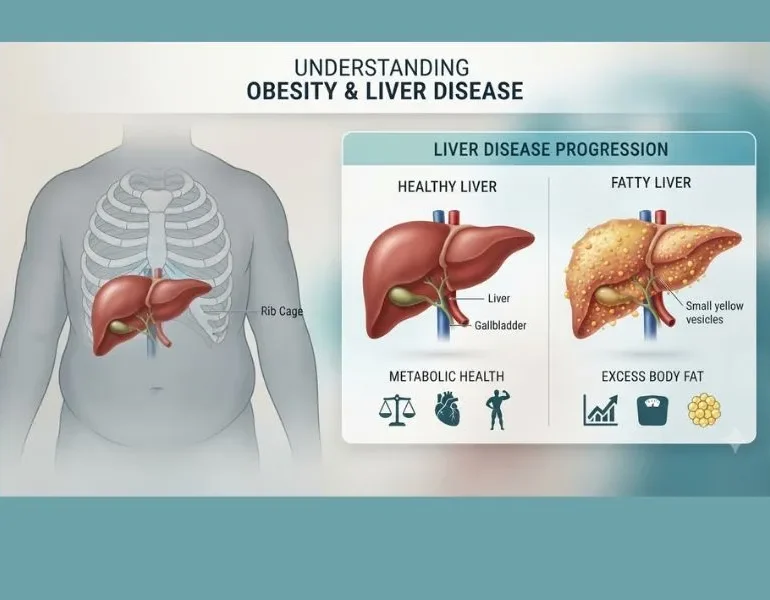
Diabetes or obesity is present
Symptoms worsen
Early specialist care prevents progression.
Conclusion
Understanding fatty liver grades explained clearly helps patients take timely action. Fatty liver grades explained clearly show that early stages are reversible, while advanced stages require medical care.
Ignoring fatty liver grading can lead to serious liver complications. Early diagnosis and expert guidance protect long-term liver health.
to the
According to theWorld Health Organization, fatty liver disease is increasing worldwide.