Vomiting Blood in Cirrhosis: Why Can It Happen?
Vomiting blood is a serious warning sign in people with liver cirrhosis. It may indicate bleeding inside the digestive system and can become life-threatening without prompt treatment.
Blood in vomit may appear bright red, dark red, or brown like coffee grounds. Some people also pass black, sticky stools.
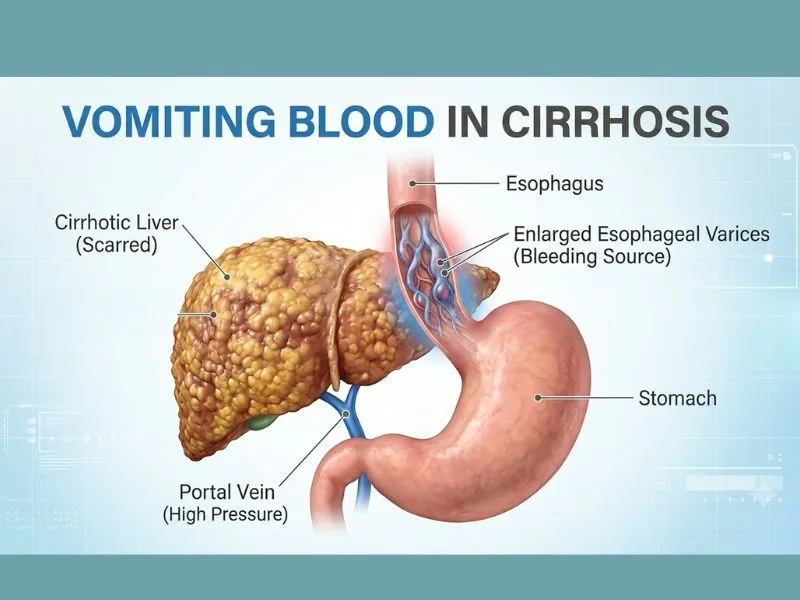
One important cause is bleeding from enlarged veins in the food pipe or stomach. These veins can develop when cirrhosis increases pressure in the blood vessels around the liver.
If a person with cirrhosis vomits blood, seek emergency medical care immediately. Do not wait for the bleeding to stop on its own.
What Is Liver Cirrhosis?
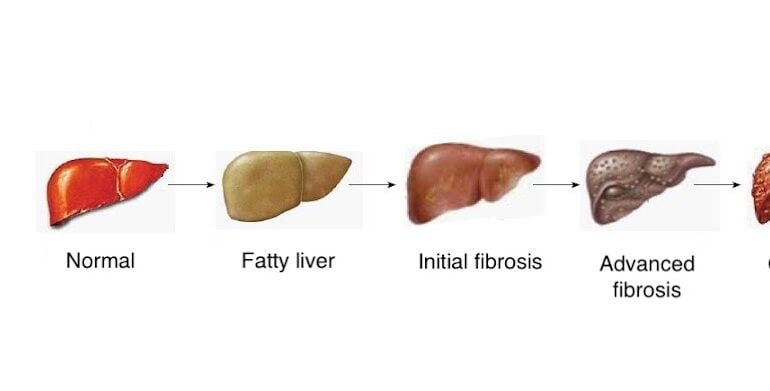
Liver cirrhosis is a condition in which scar tissue replaces healthy liver tissue. Over time, this damage affects the liver’s ability to work properly.
Several conditions can lead to cirrhosis, including chronic hepatitis B or C, alcohol-related liver disease, and advanced fatty liver disease.
As cirrhosis progresses, blood may have difficulty flowing through the liver. This can increase pressure in the portal vein, which carries blood from the digestive organs toward the liver.
Doctors call this increased pressure portal hypertension. It can cause several complications, including enlarged veins, abdominal fluid buildup, and internal bleeding.
Why Can Cirrhosis Cause Vomiting Blood?
The most important reason is the development of enlarged veins called varices.
1. Portal Hypertension
A healthy liver allows blood to flow through it with relatively little resistance. However, cirrhosis creates scar tissue that makes blood flow more difficult.
As a result, pressure increases in the portal vein system. Blood then looks for other pathways to reach the heart.
This extra pressure can enlarge veins in the food pipe and stomach.
2. Esophageal and Gastric Varices
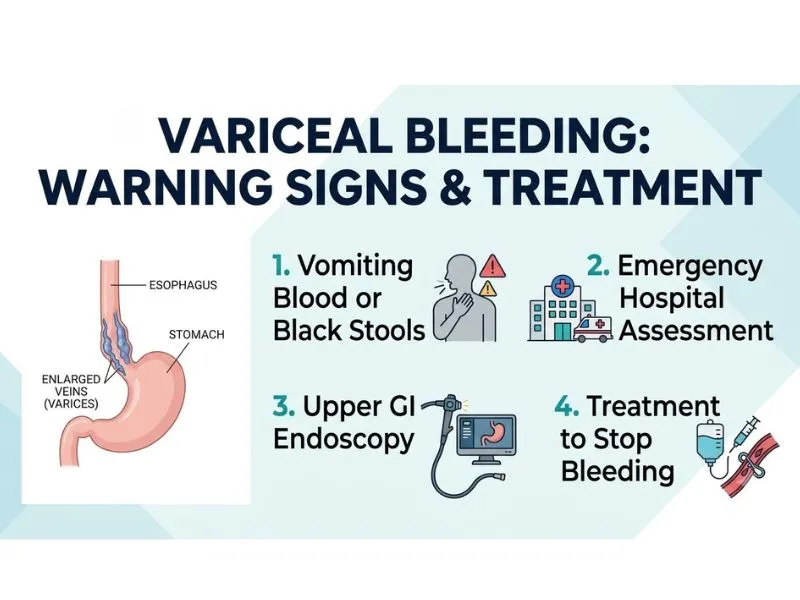
Varices are enlarged veins that develop in the food pipe, also called the esophagus, or in the stomach.
These veins have thin walls and carry blood under increased pressure. If a varix ruptures, it can cause sudden and heavy internal bleeding.
The person may then vomit fresh blood or material that looks like coffee grounds.
This type of bleeding requires immediate medical attention.
3. Changes in Blood Clotting
The liver produces many proteins that help blood clot. Advanced liver disease can affect their production.
Cirrhosis may also cause a low platelet count. These changes can make bleeding harder to control in some patients.
However, clotting changes are not the only reason for bleeding. A ruptured varix or another digestive condition may be the direct source.
Other Causes of Vomiting Blood in Cirrhosis
Although variceal bleeding is a major concern, it is not the only possible cause.
Other causes include:
- Stomach ulcers: Open sores in the stomach lining can bleed.
- Gastritis: Inflammation of the stomach lining may cause bleeding.
- Tears in the food pipe: Repeated or forceful vomiting can sometimes cause a tear.
- Other digestive tract conditions: Certain additional conditions can also cause internal bleeding.
Doctors need to identify the source because treatment differs depending on the cause.
Warning Signs of Internal Bleeding
Vomiting blood may happen suddenly. Sometimes, other symptoms appear before or during the bleeding.
Look out for these warning signs:
- Bright red blood in vomit
- Dark or coffee-ground-like vomit
- Black, tar-like stools
- Sudden dizziness or fainting
- Severe weakness
- Pale, cold, or clammy skin
- A fast heartbeat
- Confusion or unusual drowsiness
Heavy bleeding can cause a dangerous drop in blood pressure. It can also reduce the blood supply to vital organs.
Do not ignore even one episode of vomiting blood if you have cirrhosis. Emergency assessment is necessary even if the bleeding appears to have stopped.
What Should You Do If a Person With Cirrhosis Vomits Blood?
Treat this situation as an emergency.
- Call an ambulance or local emergency services immediately.
- Do not wait at home to see whether the bleeding happens again.
- Do not allow the person to drive to the hospital.
- Follow the emergency team’s instructions while waiting for help.
- Tell the medical team about the person’s cirrhosis, medicines, and any previous bleeding episodes.
Do not try home remedies or give medicines to stop the bleeding. The person needs urgent assessment and treatment in a hospital.
How Do Doctors Diagnose the Cause?
Doctors first assess the person’s condition and work to stabilize them. They then investigate where the bleeding started.
Blood Tests
Blood tests can help doctors assess blood loss, platelet counts, clotting, liver function, and kidney function.
The results also help the team plan treatment and monitor the patient’s condition.
Upper GI Endoscopy
An upper gastrointestinal endoscopy is one of the main tests used to identify bleeding in the food pipe or stomach.
During this procedure, a doctor passes a thin, flexible tube with a camera through the mouth. The camera allows the doctor to examine the upper digestive tract.
If the doctor finds bleeding varices, they may also be able to treat them during the procedure.
Additional tests may be needed depending on the patient’s condition and the suspected cause.
How Is Bleeding Treated?
Treatment must begin promptly because severe bleeding can be life-threatening.
1. Stabilizing the Patient
The medical team checks blood pressure, pulse, breathing, and the amount of blood lost.
Patients may need intravenous fluids or blood transfusions, depending on their condition. The team also monitors the airway and other vital functions when necessary.
2. Medicines to Control Bleeding
Doctors may give medicines that reduce blood flow and pressure in the portal vein system. They may also prescribe antibiotics because patients with cirrhosis who develop gastrointestinal bleeding face an increased risk of infection.
The exact medicines depend on the patient’s condition and hospital protocols.
3. Endoscopic Treatment
If enlarged veins are bleeding, doctors may use endoscopic band ligation to stop the bleeding. During this procedure, they place small rubber bands around selected esophageal varices.
Doctors may use other endoscopic treatments for certain types of gastric varices.
These procedures aim to control the bleeding and reduce immediate danger.
4. Additional Procedures
If bleeding continues or returns despite initial treatment, specialists may consider other procedures. One option is a procedure called TIPS, which creates a new pathway for blood to flow and reduces pressure in the portal vein system.
Doctors consider this and other advanced treatments based on the bleeding source and the patient’s overall condition.
For more information, read the NIDDK guide to cirrhosis treatment and enlarged veins.
Can Vomiting Blood Happen Again?
Yes. Even after doctors stop the first episode of bleeding, another episode may occur.
The risk depends on the cause, the severity of liver disease, and whether the underlying pressure problem is controlled.
After treatment, the doctor may recommend medicines to lower the risk of further bleeding. Patients may also need repeat endoscopy and other follow-up care.
It is important to attend every follow-up appointment. If bleeding returns, seek emergency care immediately.
How Can Bleeding From Varices Be Prevented?
People with cirrhosis can take steps with their medical team to reduce the risk of variceal bleeding.
Regular Liver Follow-Up
Regular visits help doctors assess liver disease and look for complications. Depending on the patient’s condition, doctors may recommend endoscopy or non-invasive tests to assess the risk of varices.
Medicines When Recommended
Doctors may prescribe certain medicines, such as non-selective beta-blockers, to lower portal pressure and reduce the risk of bleeding in suitable patients.
Take these medicines only as prescribed. Do not start, stop, or change the dose without medical advice.
Avoid Alcohol
Avoiding alcohol is especially important for people with alcohol-related liver disease. Continuing to drink can worsen liver damage.
Review All Medicines
Tell your doctor about every medicine and supplement you take. Some painkillers and other medicines can increase bleeding risk or cause additional problems in people with liver disease.
Do not stop a prescribed medicine on your own. Ask your doctor which medicines are safe for you.
Follow a Liver Care Plan
Manage the underlying cause of cirrhosis and attend regular follow-up appointments. Early treatment of complications can help reduce certain risks.
However, no prevention plan can guarantee that bleeding will never occur. Stay alert to warning signs and seek immediate care if they appear.
When Should You See a Liver Specialist?
Anyone with cirrhosis should discuss their risk of portal hypertension and varices with their treating doctor.
Arrange medical advice about new symptoms such as worsening abdominal swelling, increasing weakness, or changes in general health.
However, do not wait for a specialist appointment if you vomit blood, pass black stools, faint, or become confused. These symptoms require emergency hospital care first.
After the emergency has been managed, a liver specialist can help plan follow-up care and reduce the risk of further complications.
You can learn more about liver care and treatment on Dr. Divakar Jain’s website.
Conclusion
Vomiting blood in cirrhosis is a serious warning sign. One major cause is portal hypertension, which can lead to enlarged veins in the food pipe or stomach. If these veins rupture, they may cause severe internal bleeding.
Doctors use blood tests and endoscopy to investigate the bleeding. Treatment may include medicines, endoscopic procedures, blood transfusions, or other specialist procedures, depending on the cause and severity.
If someone with cirrhosis vomits blood or passes black, tar-like stools, seek emergency medical care immediately. Prompt treatment can be critical.