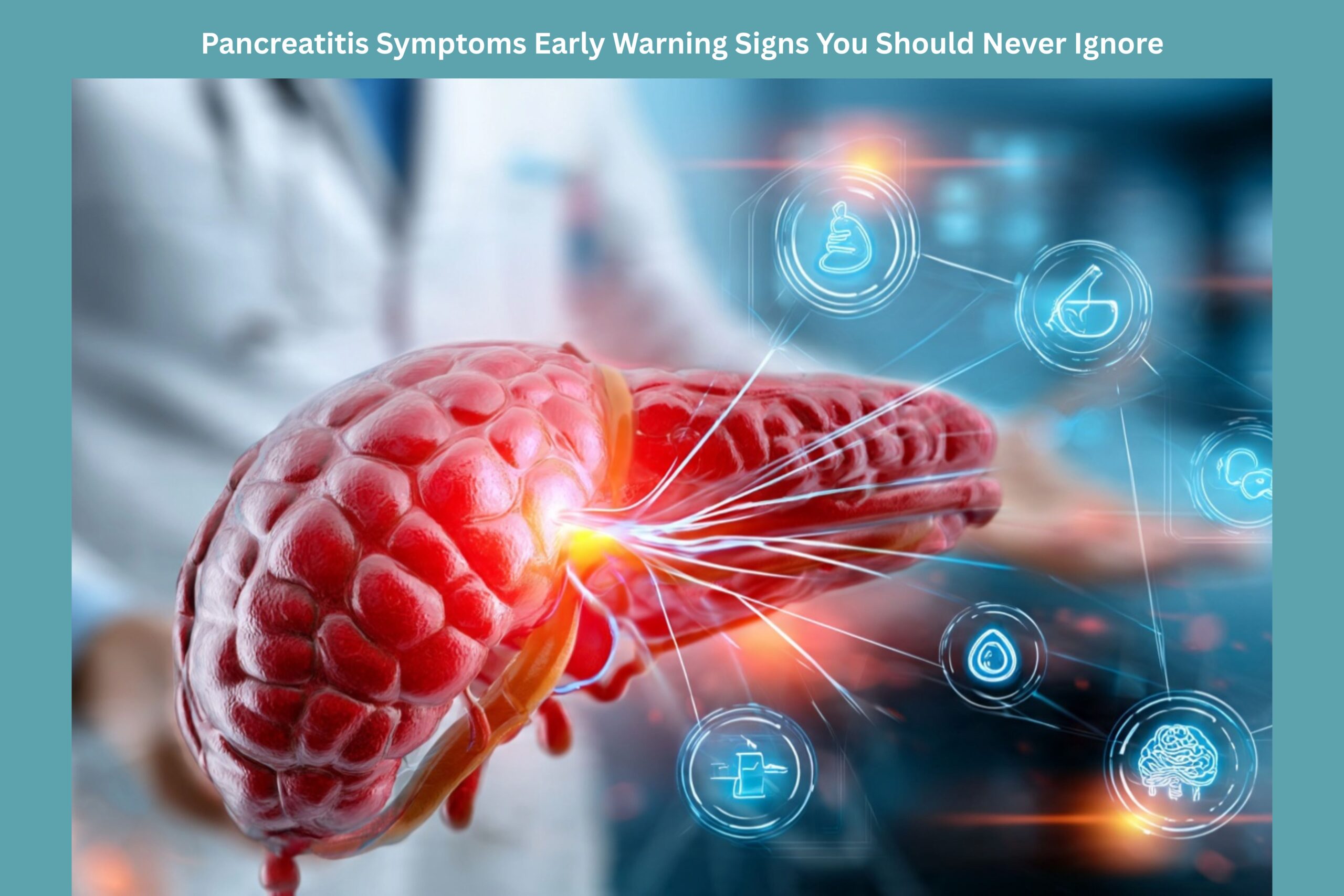
Pancreatitis Symptoms You Should Never Ignore
Introduction
The pancreas is an important organ that helps with digestion and controls blood sugar levels. When it becomes inflamed, the condition is called pancreatitis. While mild cases can improve with treatment, severe pancreatitis can lead to serious complications if ignored. Recognizing the warning signs early can help prevent permanent damage and ensure timely treatment.
What Is Pancreatitis?
Pancreatitis is inflammation of the pancreas caused by the early activation of digestive enzymes inside the pancreas. It can occur suddenly (acute pancreatitis) or develop over time (chronic pancreatitis).
Common Symptoms of Pancreatitis
The symptoms may vary, but the most common warning signs include:
- Severe upper abdominal pain
- Pain spreading to the back
- Nausea and vomiting
- Fever or chills
- Loss of appetite
- Bloating
- Unexplained weight loss
- Oily or greasy stools
- Jaundice in severe cases
If these symptoms persist or worsen, seek medical attention immediately.
What Causes Pancreatitis?
Several conditions can trigger pancreatitis, including:
- Gallstones
- Excessive alcohol consumption
- High triglyceride levels
- Smoking
- Certain medications
- Pancreatic infections
- Autoimmune disorders
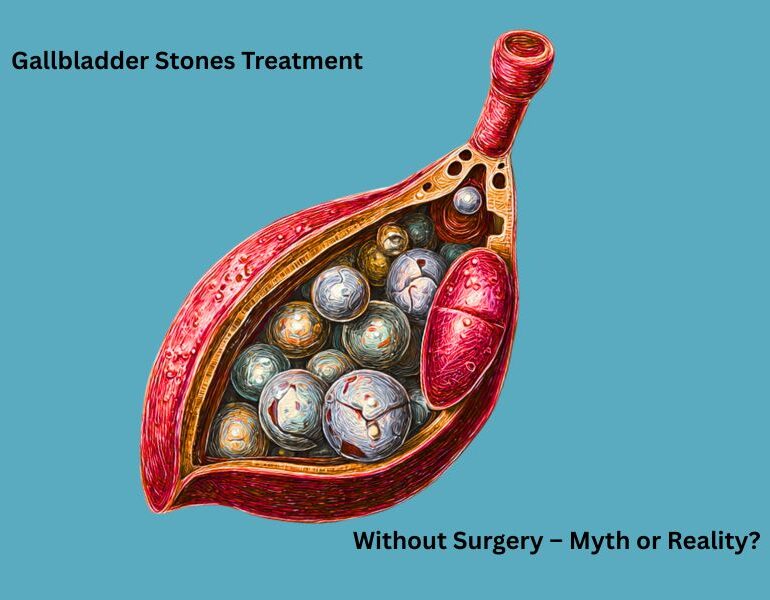
Gallstones and alcohol remain the leading causes of acute pancreatitis. In many cases, gallstones are one of the leading causes of pancreatitis. Learn more in our article on Gallbladder Stones: Symptoms, Causes & Treatment.
How Is Pancreatitis Diagnosed?
Doctors may recommend one or more of the following tests:
- Blood tests (Amylase and Lipase)
- Abdominal Ultrasound
- CT Scan
- MRI or MRCP
- Endoscopic Ultrasound (EUS)
Early diagnosis helps prevent serious complications.
Treatment Options
Treatment depends on the severity of the condition and may include:
- Hospital admission for acute pancreatitis
- Intravenous fluids
- Pain management
- Nutritional support
- Treatment of gallstones if present
- Endoscopic or surgical procedures in selected patients
Following your doctor’s advice and avoiding alcohol are essential for recovery.
When Should You See a Doctor?
Consult a specialist immediately if you experience:
- Severe abdominal pain lasting several hours
- Persistent vomiting
- High fever
- Yellowing of the eyes or skin
- Difficulty eating due to pain
- Sudden unexplained weight loss
Prompt treatment can reduce the risk of complications.
Conclusion
Pancreatitis should never be ignored. Early recognition of symptoms, timely diagnosis, and appropriate treatment can help prevent long-term damage to the pancreas. If you have persistent abdominal pain or other warning signs, consult an experienced HPB specialist for a proper evaluation.