Fatty Liver Symptoms: Early Warning Signs You Should Not Ignore
Fatty liver disease is becoming very common today. This is mainly due to unhealthy eating habits and lack of physical activity. In many cases, fatty liver symptoms do not appear in the early stage. Because of this, people often ignore the condition.
However, if it is not treated on time, it can slowly damage the liver. Therefore, understanding the early warning signs is very important. With the right lifestyle changes, this condition can be controlled or even reversed.
What is Fatty Liver Disease?
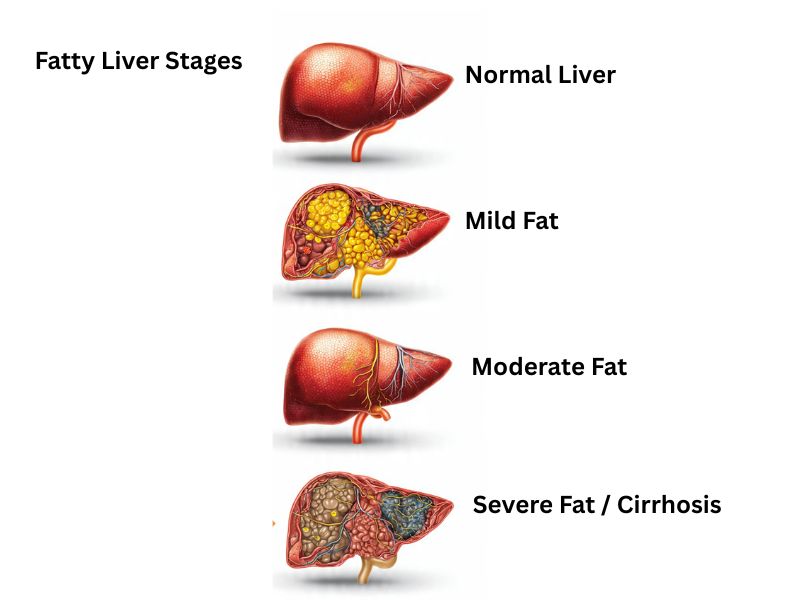
Fatty liver disease happens when extra fat builds up in liver cells. Normally, the liver has a small amount of fat. But when fat increases beyond 5–10%, it becomes a problem.
There are two main types:
- Alcoholic Fatty Liver Disease (AFLD): Caused by alcohol consumption
- Non-Alcoholic Fatty Liver Disease (NAFLD): Caused by obesity, diabetes, and poor lifestyle
In most cases, people do not feel any symptoms at first. As a result, the disease may go unnoticed for a long time.
Early Fatty Liver Symptoms
In the beginning, symptoms are mild or not visible. Still, some people may notice small changes in their body.
Common fatty liver symptoms include:
- Feeling tired all the time
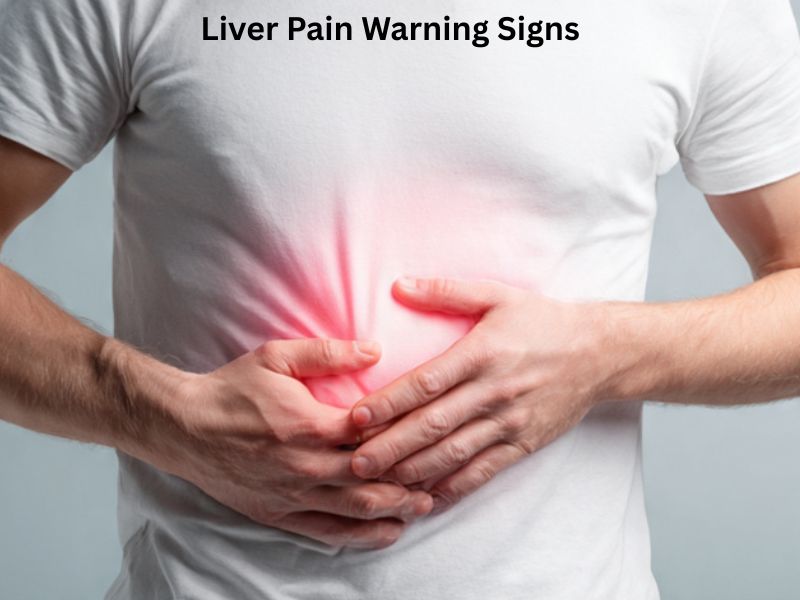
- Mild pain in the upper right abdomen
- Loss of appetite
- Slight weight changes
Additionally, doctors may detect an enlarged liver during routine checkups. In many cases, people ignore these signs because they seem normal.
Advanced Fatty Liver Symptoms
As the disease progresses, symptoms become more serious. Therefore, ignoring early signs can increase the risk of complications.
Advanced symptoms may include:
- Yellow skin or eyes (jaundice)
- Swelling in the abdomen
- Dark urine
- Nausea
- Swelling in legs and feet
Thus, if you notice these symptoms, you should consult a doctor immediately.
Causes of Fatty Liver Disease
Fatty liver disease is mostly linked to lifestyle. Several factors increase the risk.
Main causes include:
- Obesity
- Diabetes
- High cholesterol
- Unhealthy diet
- Lack of exercise
Furthermore, long-term unhealthy habits can worsen liver health.
How is Fatty Liver Diagnosed?
Doctors use simple tests to check liver health. These tests help in early diagnosis.
Common tests include:
- Liver Function Test (LFT)
- Ultrasound
- CT scan or MRI
- FibroScan
In many cases, doctors use more than one test for accurate results. For more information, you can visit World Health Organization (WHO).
Treatment for Fatty Liver Disease
The good news is that fatty liver can be managed easily in the early stage.
Healthy Diet
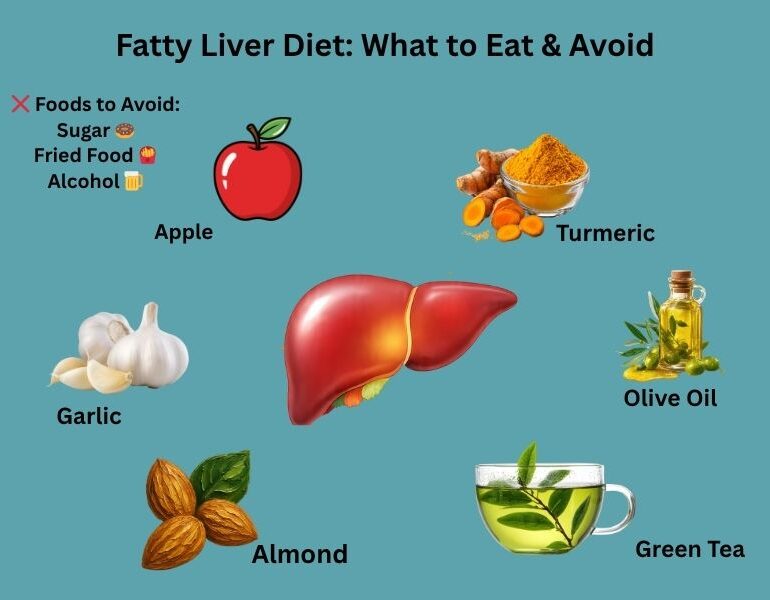
Eat more fruits, vegetables, and home-cooked food. Avoid junk food and sugar.
Regular Exercise
Daily walking or exercise helps reduce liver fat.
Weight Loss
Even small weight loss can improve liver health.
Regular Checkups
Routine tests help monitor your condition.
When Should You See a Liver Specialist?
You should consult a doctor if:
- You feel tired regularly
- You have pain in the right abdomen
- Your liver tests are abnormal
- You notice jaundice or swelling
However, early consultation can prevent serious complications.
Conclusion
Fatty liver disease is common but preventable. Fatty liver symptoms may be mild in the beginning, but they should not be ignored.
In conclusion, early detection and a healthy lifestyle are the best ways to protect your liver. Therefore, regular checkups and timely treatment are very important.
If you are experiencing symptoms, consider consulting a specialist for advanced liver treatment.