FibroScan Score Meaning: How to Understand Your Liver Stiffness Report
FibroScan score meaning is one of the most common questions patients ask after undergoing a liver test. Many people receive a FibroScan report but do not understand what the numbers actually indicate.
A FibroScan score measures liver stiffness, which helps doctors assess fatty liver, fibrosis, or cirrhosis. Understanding your FibroScan score meaning can help you take timely action and prevent serious liver damage.
What Is a FibroScan Test?
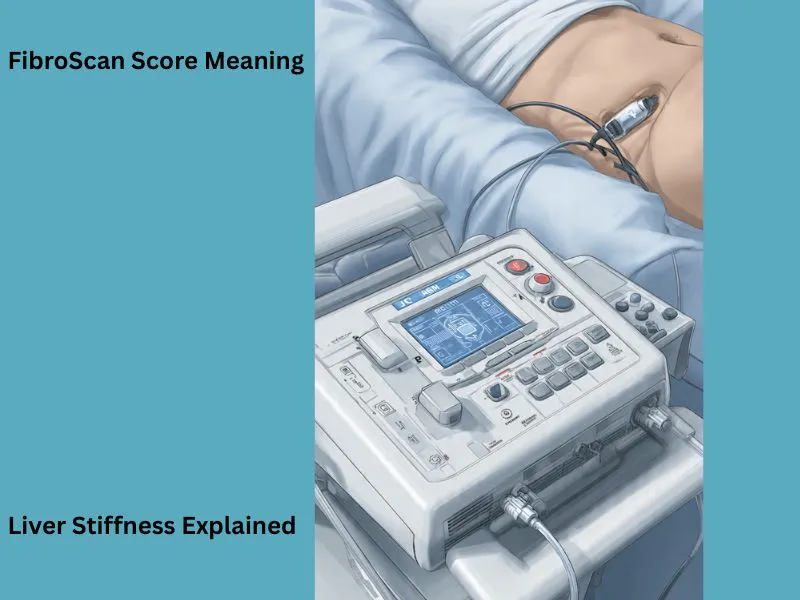
FibroScan is a non-invasive test that uses sound waves to measure liver stiffness and fat content. It is quick, painless, and widely used to evaluate liver health.
Doctors commonly use FibroScan to monitor:
Fatty liver disease (NAFLD)
Liver fibrosis
Early cirrhosis
Chronic liver conditions
FibroScan Score Meaning Explained
FibroScan results are given in kPa (kilopascals). Higher numbers indicate more liver stiffness.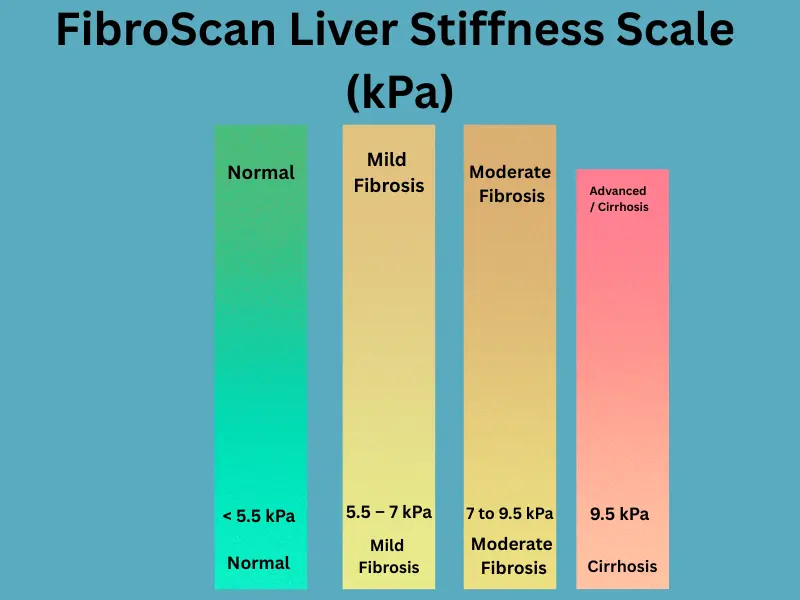
Normal FibroScan Score Range
(H3)
< 5.5 kPa → Normal liver
5.5 – 7 kPa → Mild fibrosis
7 – 9.5 kPa → Moderate fibrosis
> 9.5 kPa → Advanced fibrosis / cirrhosis
Your FibroScan score meaning depends on symptoms, blood tests, and medical history.
What Causes High FibroScan Scores?
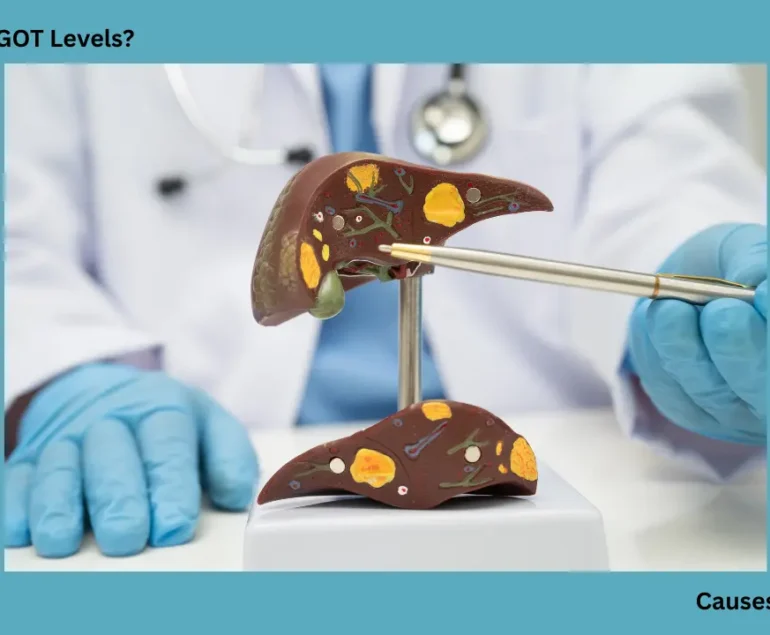
A high FibroScan score does not always mean cirrhosis. Common causes include:
Fatty liver disease
Obesity
Diabetes
Alcohol use
Viral hepatitis
Liver inflammation
Congestion or fluid overload
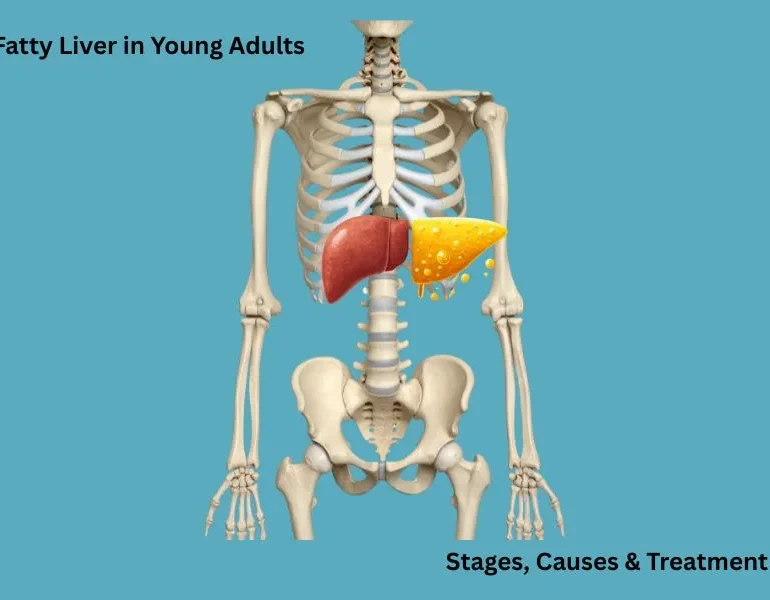
For related liver conditions, you can read our detailed guide on fatty liver in young adults.
Can FibroScan Give False High Readings?
Yes. FibroScan scores may be falsely high due to:
Recent food intake
Severe obesity
Ascites
Acute inflammation
Heart-related liver congestion
That is why FibroScan score meaning should always be interpreted by a liver specialist.
When FibroScan Is Not Enough
FibroScan cannot detect:
Liver inflammation
Autoimmune liver disease
Early microscopic damage
In such cases, doctors may recommend additional tests or a liver biopsy for accurate diagnosis.
According to the World Health Organization, non-invasive tests should be combined with clinical evaluation for correct liver diagnosis.
When Should You See a Liver Specialist?
Consult a liver specialist if:
FibroScan score keeps increasing
Liver enzymes remain high
You have diabetes or fatty liver
Symptoms do not match scan results
Family history of liver disease exists
Accurate FibroScan result interpretation is important to decide further tests and prevent progression of liver disease.”
Conclusion
FibroScan is an excellent screening tool, but numbers alone do not tell the full story. Understanding your FibroScan stiffness score helps doctors assess liver damage and plan timely treatment.
With early evaluation and expert guidance, many liver conditions can be controlled or reversed.