
Silent Cirrhosis in Young Adults: Why Liver Scarring Happens Even Without Alcohol
Introduction
Cirrhosis is usually linked with alcohol, but today a fast-growing number of young adults (18–35 years) are developing non-alcoholic cirrhosis, also known as “silent cirrhosis.” This condition develops slowly without clear symptoms, which makes early diagnosis difficult.
Many young people do not drink alcohol, yet they reach advanced stages of liver scarring because of lifestyle, obesity, diabetes, fatty liver, or viral infections. According to the the American Liver Foundation, early fibrosis can occur silently without any alcohol use.
This guide explains why silent cirrhosis in young adults is rising, early signs, testing methods, treatment options, and when to meet a liver specialist.
What Is Silent Cirrhosis?
Silent cirrhosis means liver scarring that develops quietly without noticeable symptoms.
Young adults often mistake early warning signs for acidity, tiredness, or stress.
Over time, the healthy liver gets replaced by scar tissue, reducing liver function.
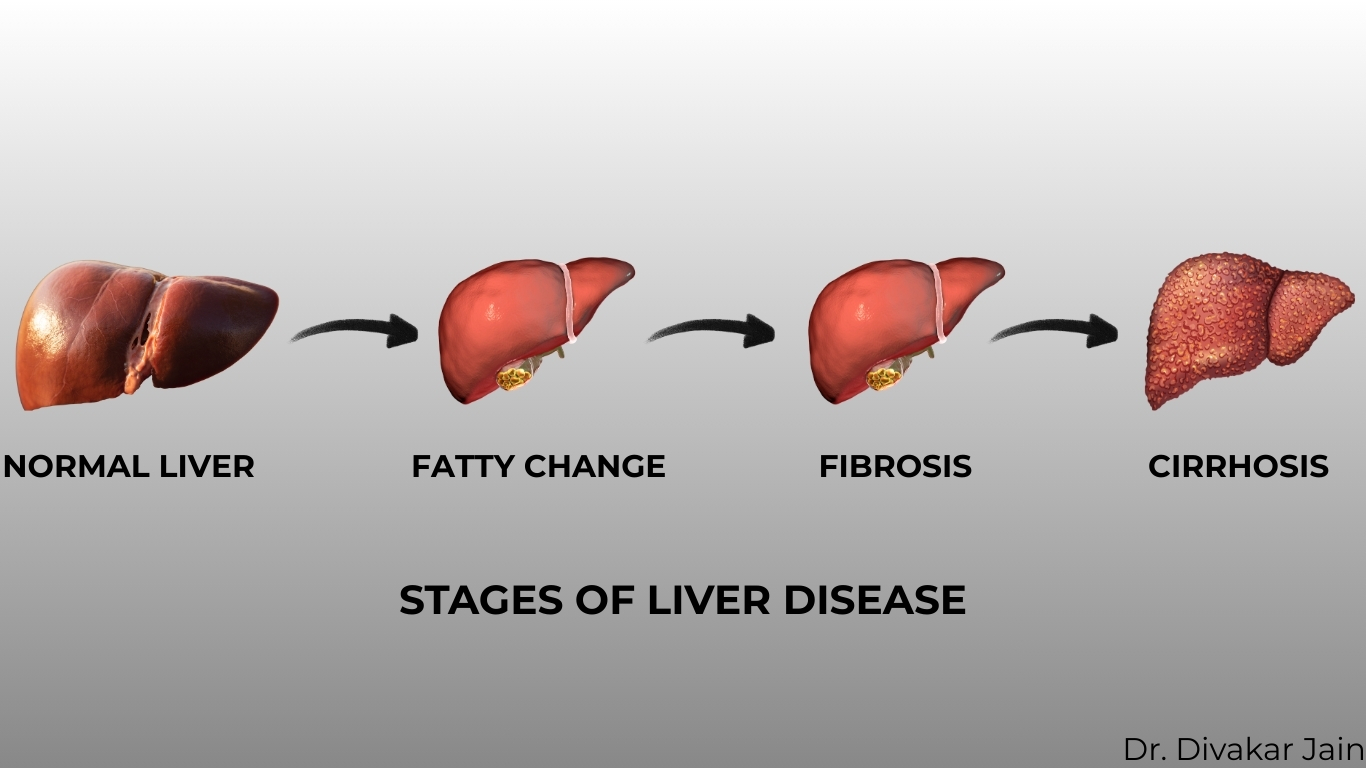
Silent cirrhosis usually develops from:
Untreated fatty liver
Long-standing insulin resistance
NAFLD/NASH
Viral hepatitis
Autoimmune diseases
Obesity
Why Is Cirrhosis Increasing in Young Adults?
1️⃣ Rise of NAFLD (Liver Fat Without Alcohol)
India is becoming the fatty liver capital of the world.
Fatty liver can progress to:
Fatty Liver → NASH → Fibrosis → Cirrhosis
This entire cycle can happen even without alcohol.
2️⃣ Insulin Resistance & Fast Food Culture
High-carb diet, sugary drinks, and junk food directly damage liver cells.
3️⃣ Late Diagnosis of Liver Problems
Most young adults ignore symptoms like tiredness and bloating until the liver is severely damaged.
4️⃣ PCOS, Thyroid, Diabetes in Young People
Hormonal disorders accelerate liver inflammation and fibrosis.
5️⃣ Viral Hepatitis B & C
Undiagnosed viral infections silently damage the liver for years.
Early Signs of Silent Cirrhosis (Often Ignored)
Most early symptoms are very mild, including:
Unexplained tiredness
Loss of appetite
Mild abdominal discomfort
Bloating or gas
Dark circles
Itching
Frequent acidity
Easy bruising
Difficulty losing weight
Young adults assume these are normal everyday problems —
but they can signal early liver fibrosis.
Advanced Symptoms (Need Immediate Medical Help)
If cirrhosis progresses:
Jaundice
Swelling in legs
Fluid in abdomen (ascites)
Confusion
Vomiting of blood
Severe muscle loss
These are danger signs and require urgent specialist evaluation.
How Is Cirrhosis Diagnosed?
Doctors may recommend:
LFT (Liver Function Test)
Ultrasound Abdomen
FibroScan (to measure fibrosis and stiffness)
CT Scan / MRI
Viral hepatitis tests
Autoimmune liver profile
Is Cirrhosis Reversible?
Early fibrosis can improve,
but advanced cirrhosis is not reversible.
Treatment can:
✔ Control damage
✔ Reduce symptoms
✔ Slow progression
Treatment Options for Young Adults
1️⃣ Lifestyle Correction
Weight loss
Low-carb diet
No sugary drinks
High-protein meals
2️⃣ Treating Fatty Liver & NASH
The right treatment stops scarring from worsening.
3️⃣ Managing Diabetes/PCOS/Thyroid
Controlling hormonal issues improves liver health.
4️⃣ Medication
Doctors may prescribe medicines to reduce inflammation and improve liver function.
5️⃣ Liver Transplant (For End-Stage Cirrhosis)
When liver damage becomes irreversible, a liver transplant may be needed.
When Should You Meet a Liver Specialist?
Visit a liver specialist if you have:
Persistent fatty liver
Family history of liver disease
High liver enzymes
Jaundice
PCOS + Fatty Liver
Diabetes + obesity
For more liver health guidance, you can read our detailed article on fatty liver here.
Conclusion
Silent cirrhosis in young adults is becoming increasingly common in India.
The condition begins quietly but can become serious if ignored.
Early diagnosis, lifestyle improvements, and proper treatment can slow or stop liver damage.
Young adults should not ignore early symptoms —
timely specialist care can save the liver from irreversible scarring.