Fluid in the Abdomen (Ascites): Why It Should Not Be Ignored
Fluid in the abdomen is not always a simple problem. Sometimes, swelling happens because of gas or other digestive issues. However, fluid collecting inside the abdominal cavity can indicate an underlying medical condition.
Doctors call this fluid buildup ascites. It often occurs in people with advanced liver disease, especially liver cirrhosis. However, heart problems, certain cancers, and pancreatic diseases can also cause ascites.
Early medical evaluation helps doctors find the cause and choose the right treatment. Therefore, you should not ignore persistent abdominal swelling, especially when other symptoms appear.
What Is Ascites?
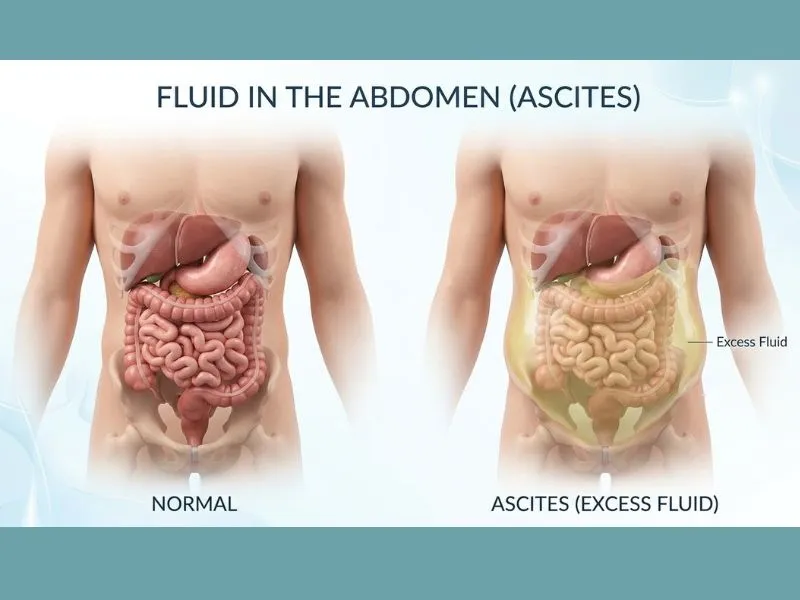
Ascites is the buildup of excess fluid inside the abdomen, around the abdominal organs. Normally, this space contains only a small amount of fluid. When too much fluid collects, the abdomen may become swollen or feel tight.
Ascites is not a disease by itself. Instead, it is usually a sign of another health problem.
In many cases, ascites develops because of liver cirrhosis. As liver damage progresses, pressure in the blood vessels around the liver can increase. Changes in the body’s fluid balance can then cause fluid to collect in the abdomen.
What Causes Fluid in the Abdomen?
Several medical conditions can lead to ascites. The cause matters because treatment depends on the underlying problem.
1. Liver Cirrhosis
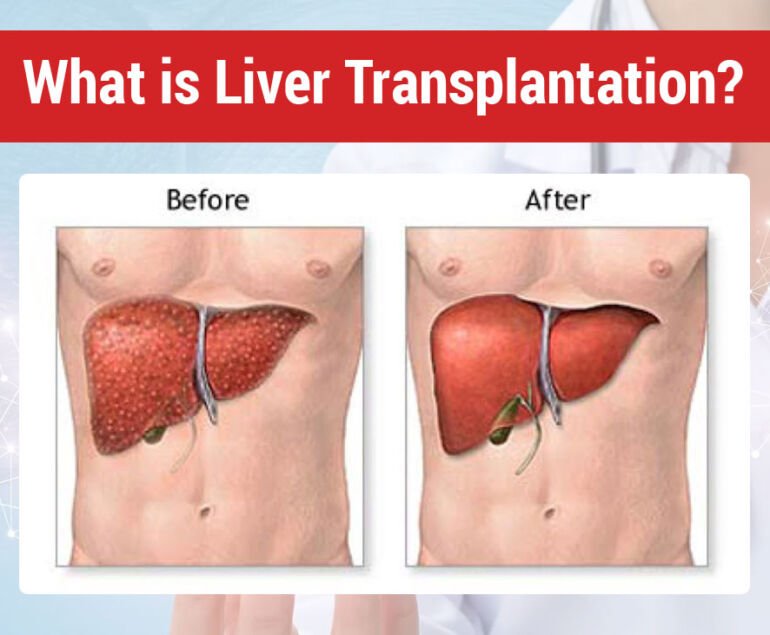
Liver cirrhosis is one of the most common causes of ascites. In this condition, scar tissue replaces healthy liver tissue and affects normal liver function.
As cirrhosis progresses, pressure can rise in the portal vein system. The body may also retain more salt and water. As a result, fluid can build up in the abdomen.
If you want to learn more, read our information about liver surgery and treatment.
2. Heart Failure
Heart failure can make it difficult for the heart to pump blood effectively. Consequently, pressure can increase in certain blood vessels, leading to fluid buildup in the abdomen or legs.
People may also experience tiredness, leg swelling, or shortness of breath.
3. Cancer
Certain cancers can cause fluid to collect inside the abdomen. This may happen when cancer affects the abdominal lining or interferes with normal fluid drainage.
However, fluid in the abdomen does not automatically mean cancer. Doctors need proper tests to identify the cause.
4. Pancreatic Diseases
Pancreatitis and some other pancreatic conditions can cause fluid to collect in the abdomen. In such cases, doctors may check the pancreas and surrounding structures to understand the problem.
5. Other Medical Conditions
Certain infections and conditions that cause low blood protein levels can also lead to ascites. In some people, more than one condition may contribute to fluid buildup.
For this reason, doctors assess each patient carefully before starting treatment.
Symptoms of Ascites
The symptoms depend on how much fluid collects and what causes it. A small amount may not cause noticeable problems. However, larger amounts can cause clear changes in the body.
Common symptoms include:
- A swollen or enlarged abdomen
- A feeling of tightness or heaviness in the belly
- Unexplained weight gain
- Feeling full after eating small amounts
- Abdominal discomfort or pain
- Swelling in the legs or ankles
- Shortness of breath when fluid buildup becomes significant
Some people notice that their clothes feel tighter around the waist. Others may find that their abdomen continues to enlarge even without major changes in their diet.
If these symptoms persist, consult a doctor instead of assuming the problem is ordinary bloating.
Is Fluid in the Abdomen Always Related to Liver Disease?
No. Although liver cirrhosis is a common cause, not every case of ascites comes from the liver.
Heart failure, cancer, infections, and pancreatic conditions can also cause fluid buildup. Therefore, doctors need to identify the actual cause before choosing treatment.
This distinction is important because the treatment for liver-related ascites may differ from the treatment for heart-related or cancer-related fluid buildup.
How Is Ascites Diagnosed?
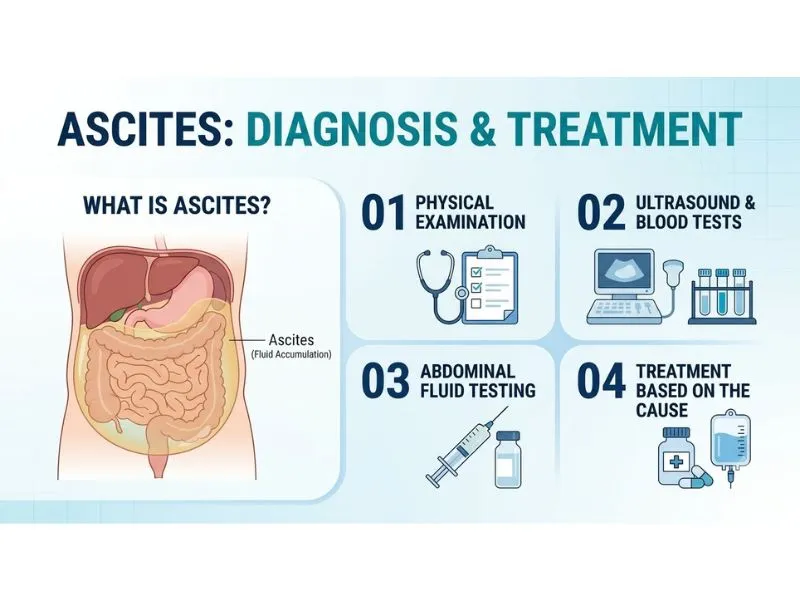
Doctors use your symptoms, medical history, physical examination, and test results to diagnose ascites.
1. Physical Examination
The doctor checks your abdomen for swelling, tightness, and signs of fluid buildup. The examination may also help identify other symptoms that suggest an underlying condition.
2. Ultrasound
An abdominal ultrasound can detect fluid around the abdominal organs. It can also help doctors examine the liver and other nearby structures.
In addition, ultrasound can help confirm whether abdominal swelling is due to fluid rather than another cause.
3. Blood Tests
Blood tests may help assess liver function, kidney function, blood protein levels, and signs of infection.
These results give doctors important clues about the cause of ascites. However, blood tests alone may not provide the complete answer.
4. Abdominal Fluid Testing
Doctors may recommend a procedure called diagnostic paracentesis. During this procedure, a trained healthcare professional uses a needle to collect a small amount of abdominal fluid for testing.
The laboratory can check the fluid for infection, protein levels, and other findings that help identify the cause.
This test is particularly important in many cases of new-onset ascites because abdominal fluid infection can become serious.
For more information about ascites and its diagnosis, see the Mayo Clinic guide to ascites.
How Is Ascites Treated?
The treatment depends on the cause, the amount of fluid, and the patient’s overall health. Doctors aim to reduce fluid buildup, relieve symptoms, and manage the underlying condition.
1. Medicines
Doctors may prescribe medicines called diuretics to help the body remove excess salt and water through urine.
However, these medicines require medical supervision. The doctor may need to monitor kidney function, blood pressure, and blood electrolyte levels during treatment.
Do not start water tablets or change their dose on your own.
2. Reducing Salt Intake
For liver-related ascites, doctors often recommend reducing sodium, which is found mainly in salt.
Eating less salt may help reduce the body’s tendency to retain fluid. However, the diet should still provide enough calories and nutrients.
Ask your doctor or dietitian for an appropriate eating plan. Avoid extreme dietary restrictions without medical advice.
3. Paracentesis to Remove Fluid
When a large amount of fluid causes discomfort or breathing difficulties, doctors may recommend therapeutic paracentesis.
During this procedure, a trained healthcare professional drains excess fluid from the abdomen using a needle or catheter. This can help relieve pressure and improve comfort.
However, the fluid may return if the underlying cause remains active. Therefore, doctors also need to manage the main medical condition.
4. Treating the Underlying Condition
The treatment also depends on what caused the ascites.
For example, doctors may focus on managing liver disease, treating an infection, or controlling heart failure. In selected patients with advanced liver disease, specialists may consider additional procedures or liver transplantation.
The right plan varies from person to person.
Is Ascites a Serious Condition?
Ascites can be serious, especially when it develops because of advanced liver disease. It may also lead to complications.
One important complication is spontaneous bacterial peritonitis (SBP), an infection of the abdominal fluid. This infection can become life-threatening without prompt treatment.
Large amounts of fluid can also make breathing difficult. In addition, abdominal swelling may reduce appetite and contribute to poor nutrition.
Therefore, a new diagnosis of ascites needs medical evaluation. People who already have ascites should follow their doctor’s advice and report any new symptoms promptly.
When Should You Seek Medical Help?
Do not ignore abdominal swelling that persists or keeps increasing. Arrange a medical assessment to find the cause.
Seek urgent medical care if you have ascites along with any of these warning signs:
- Fever or chills
- New or worsening abdominal pain
- Shortness of breath
- Confusion or unusual drowsiness
- Repeated vomiting
- Vomiting blood or passing black stools
These symptoms may signal infection or another serious complication. Do not wait for a routine appointment if they occur.
If you have liver disease and notice new abdominal swelling, contact your medical team promptly.
Can Ascites Be Prevented?
Ascites cannot always be prevented. However, protecting your liver and managing existing health conditions may lower the risk of some causes.
Here are a few helpful steps:
- Get medical care for liver disease and hepatitis.
- Avoid alcohol if you have liver disease.
- Maintain a healthy weight.
- Follow your prescribed treatment plan.
- Reduce salt intake if your doctor recommends it.
- Attend regular medical follow-up appointments.
In addition, do not use unverified herbal products or medicines to remove abdominal fluid. Some products can damage the liver or kidneys and make the condition worse.
Conclusion
Fluid in the abdomen, known as ascites, is not always a simple digestive problem. It may indicate liver cirrhosis, heart failure, cancer, pancreatic disease, or another medical condition.
Doctors may use an ultrasound, blood tests, and abdominal fluid testing to determine the cause. Treatment can include medicines, dietary changes, fluid drainage, and care for the underlying disease.
The most important step is to find the cause rather than treating abdominal swelling on your own. Early assessment can help doctors identify complications and plan appropriate care.
If you notice persistent abdominal swelling or other symptoms, consult a qualified medical professional.