Liver Pain: Where Is It Located and What Does It Feel Like?
Introduction
Liver pain is often misunderstood because many people are unsure where the liver is located or how liver pain feels. While some discomfort in the upper abdomen may be harmless, persistent pain could be a sign of an underlying liver condition.
Understanding the location, symptoms, and possible causes of liver pain can help you seek medical care early and protect your liver health.
What Does Liver Pain Feel Like?
Liver pain may feel different from person to person. Common descriptions include:
- A dull ache in the upper right abdomen
- A feeling of pressure below the ribs
- Sharp pain in some cases
- Pain that may spread to the right shoulder or back
- Discomfort that becomes worse after eating fatty foods
If the pain is severe or persistent, it should not be ignored.
Common Causes of Liver Pain
Several liver conditions may cause pain, including:
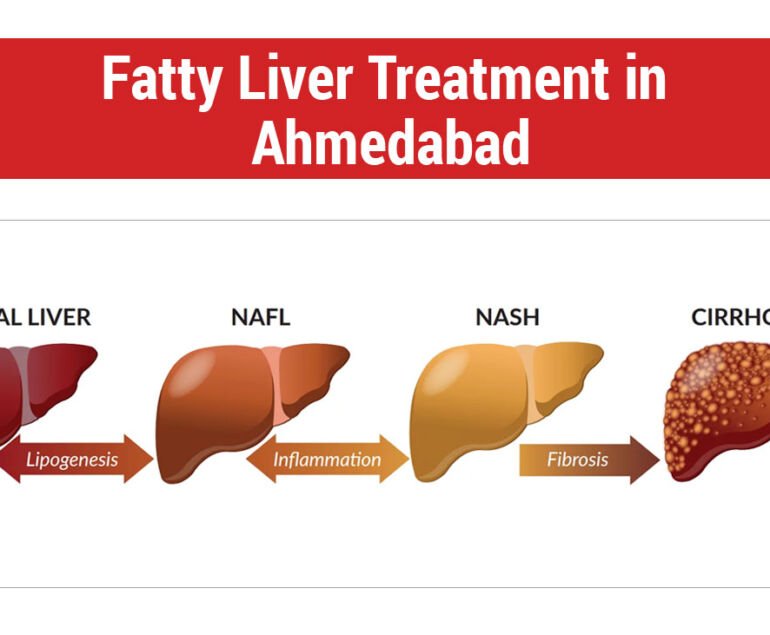
- Fatty liver disease
- Hepatitis
- Liver abscess
- Liver cysts
- Liver enlargement (hepatomegaly)
- Liver cirrhosis
- Liver tumors (less common)
Pain in the upper right abdomen should always be evaluated by a healthcare professional. Read more Gallbladder Stone Symptoms You Should Not Ignore
Where Is the Liver Located?
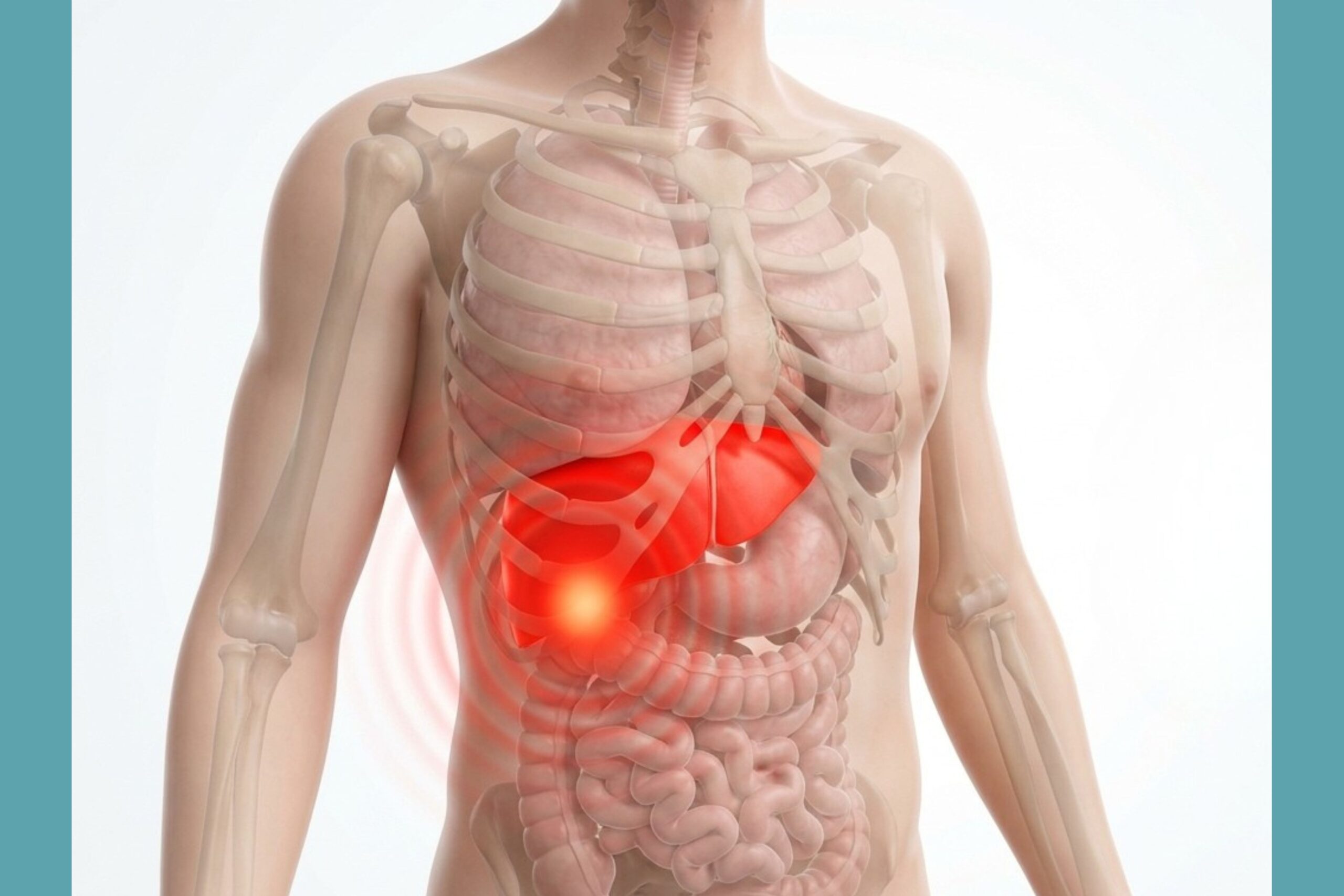
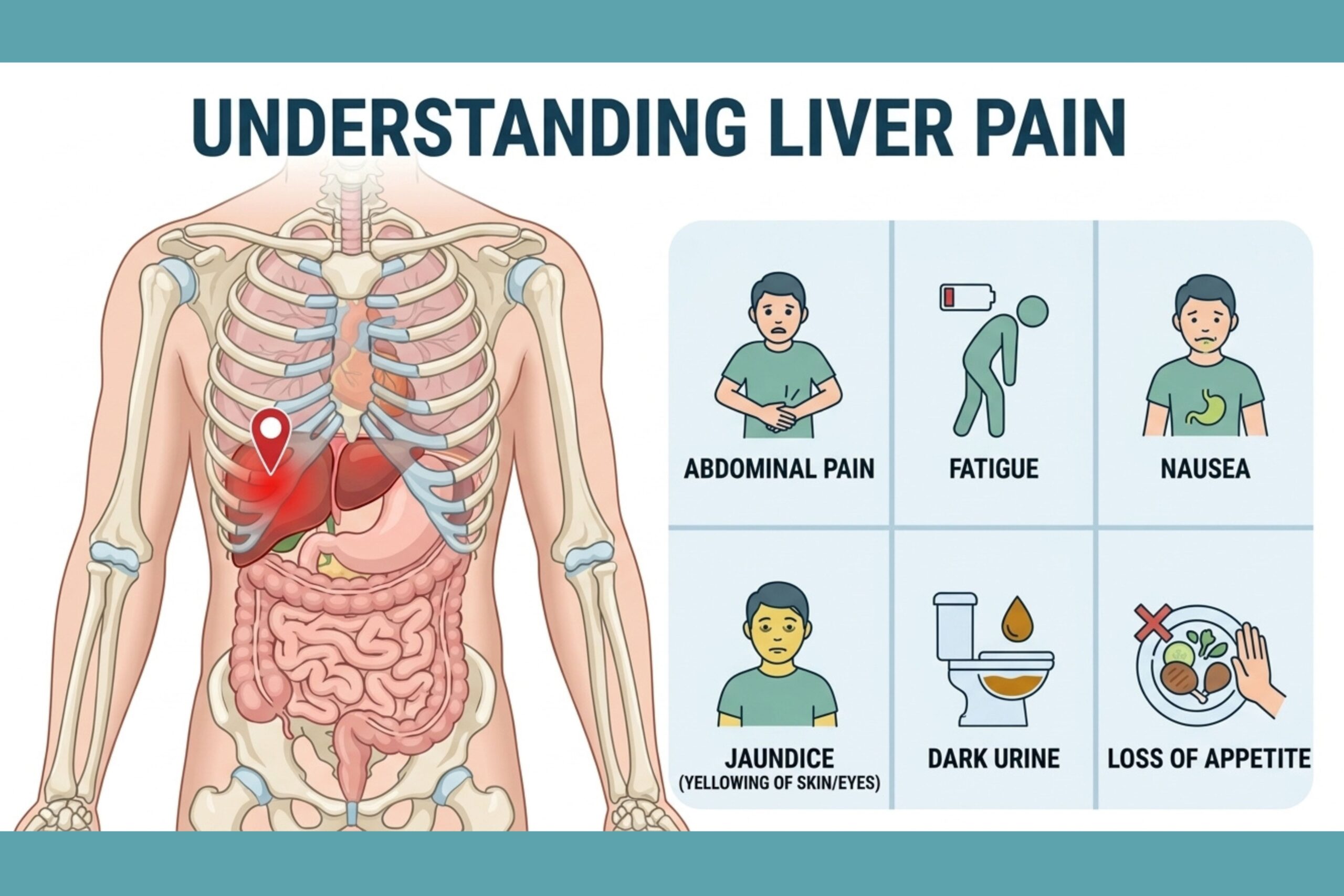
The liver is located in the upper right side of your abdomen, just below the rib cage. It is one of the largest organs in the body and plays an important role in digestion, detoxification, and energy storage.
Pain coming from this area may sometimes be related to the liver, but it can also be caused by nearby organs such as the gallbladder or stomach. Proper medical evaluation is important to identify the exact cause.
Symptoms That May Occur Along With Liver Pain
Liver pain may be accompanied by:
- Fatigue
- Nausea
- Loss of appetite
- Yellowing of the skin or eyes (jaundice)
- Dark urine
- Pale-colored stools
- Swelling in the abdomen
- Unexplained weight loss
If you experience these symptoms together with persistent pain, seek medical attention.
How Is Liver Pain Diagnosed?
To identify the cause of liver pain, your doctor may recommend:
- Physical examination
- Liver Function Tests (LFT)
- Ultrasound abdomen
- FibroScan
- CT Scan or MRI (if needed)
Early diagnosis helps detect liver disease before it becomes severe.
When Should You See a Liver Specialist?
You should consult a liver specialist if you have:
- Pain lasting more than a few days
- Severe upper right abdominal pain
- Jaundice
- Persistent nausea or vomiting
- High fever with abdominal pain
- Swelling in the abdomen
Prompt medical care can help prevent complications.
Tips to Keep Your Liver Healthy
You can reduce the risk of liver disease by:
- Eating a balanced diet
- Limiting alcohol intake
- Exercising regularly
- Maintaining a healthy body weight
- Drinking enough water
- Managing diabetes and cholesterol
- Getting regular health check-ups
Healthy lifestyle habits support long-term liver health.
Conclusion
Liver pain should never be ignored, especially if it lasts for several days or is accompanied by symptoms such as jaundice, dark urine, or fatigue. Knowing where liver pain is located and how it feels can help you recognize potential liver problems early. If you have persistent discomfort in the upper right abdomen, consult a liver specialist for an accurate diagnosis and timely treatment.For trusted information about liver diseases, visit the National Institute of Diabetes and Digestive and Kidney Diseases (NIDDK).