Can High Cholesterol Cause Fatty Liver? Causes, Symptoms & Prevention
Introduction
High cholesterol and fatty liver disease are becoming more common due to unhealthy eating habits and a lack of physical activity. Many people wonder whether high cholesterol can lead to fatty liver disease.
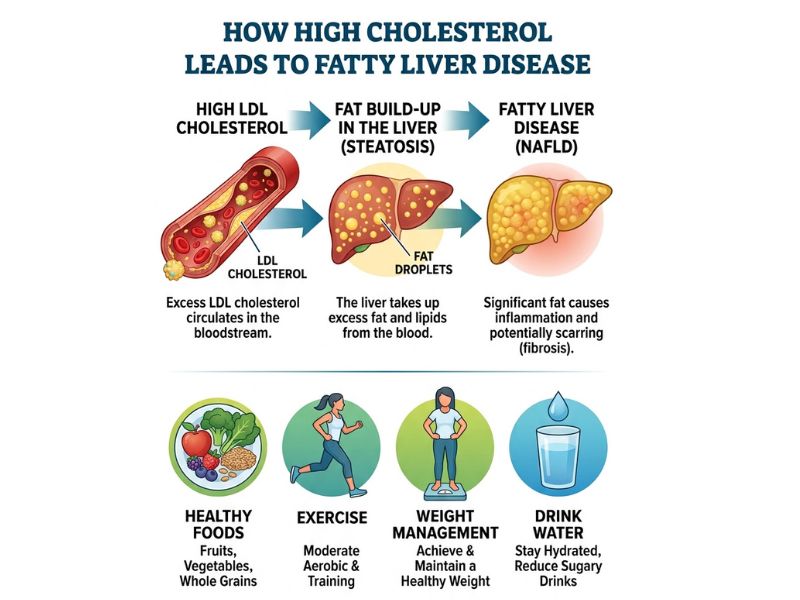
The answer is yes. High cholesterol does not directly damage the liver, but it can increase fat buildup inside liver cells. If left untreated, this may lead to non-alcoholic fatty liver disease (NAFLD), inflammation, and other liver problems.
Understanding this connection can help you take the right steps to protect your liver and overall health.
What Is High Cholesterol?
Cholesterol is a waxy substance found in your blood. Your body needs some cholesterol to build healthy cells, but too much cholesterol can cause health problems.
There are two main types:
- LDL (Bad Cholesterol)
- HDL (Good Cholesterol)
High LDL cholesterol increases the risk of heart disease and may also contribute to fatty liver disease.
Can High Cholesterol Cause Fatty Liver?
Yes. High cholesterol can increase fat accumulation in the liver, especially when combined with:
- Type 2 diabetes
- Excess body weight
- High triglycerides
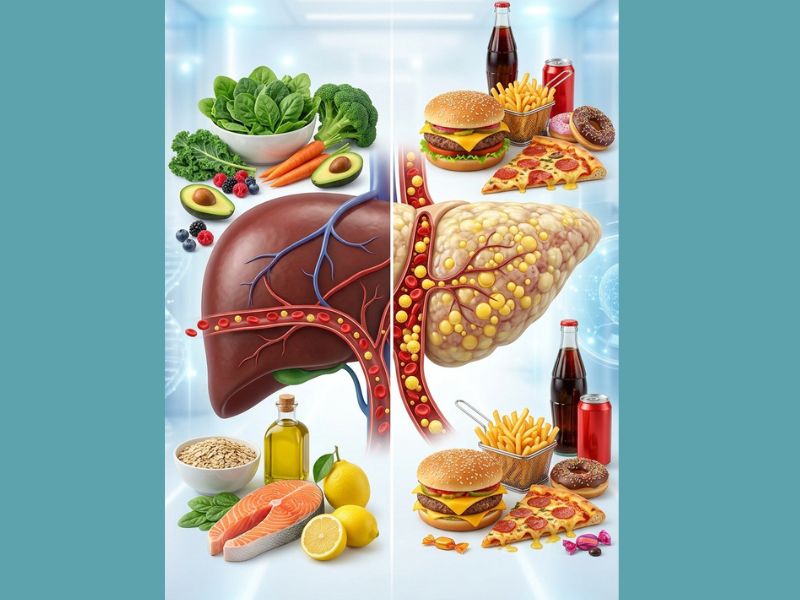
- Poor eating habits
- Lack of exercise
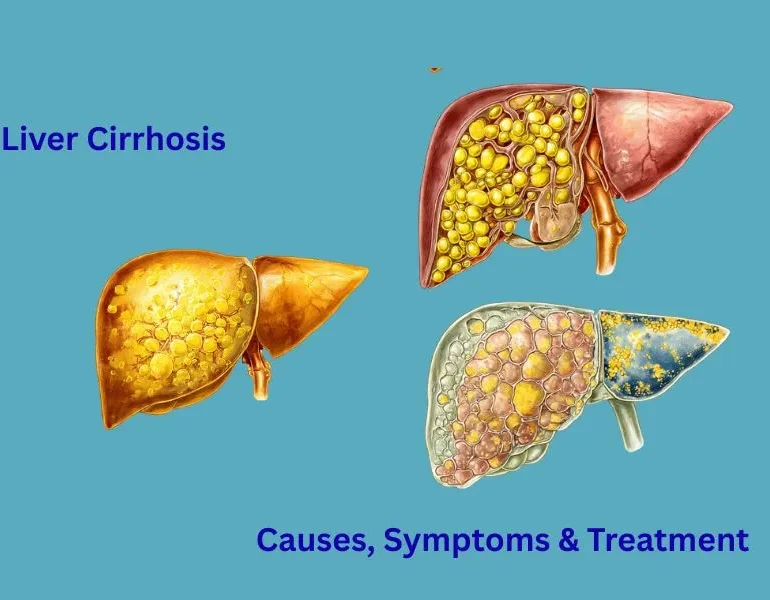
Over time, excess fat may reduce normal liver function and increase the risk of liver inflammation.
Symptoms of Fatty Liver Linked to High Cholesterol
In the early stages, many people have no symptoms.
As the condition progresses, symptoms may include:
- Fatigue
- Pain in the upper right abdomen
- Feeling of fullness
- Nausea
- Unexplained weakness
- Mild weight loss in some people
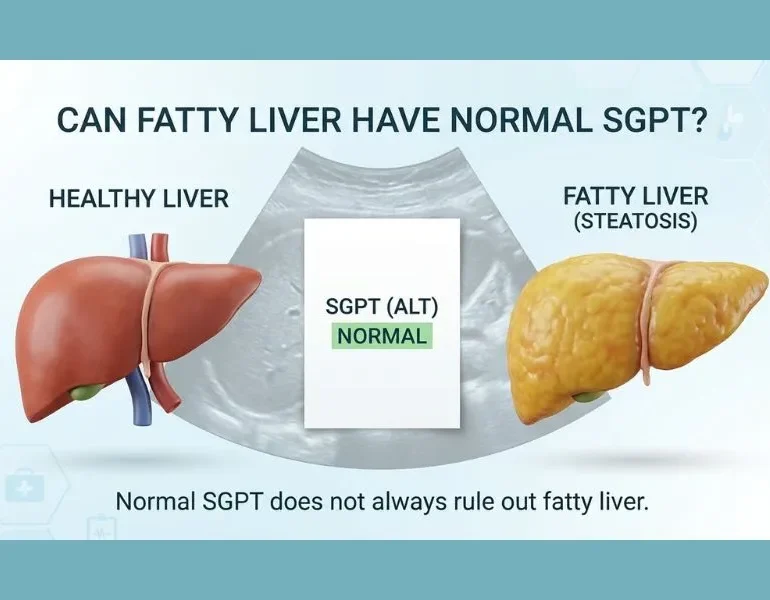
Many people discover fatty liver only after routine blood tests or an ultrasound.
Who Is at Higher Risk?
You may have a higher risk if you:
- Have high LDL cholesterol
- Have high triglycerides
- Have diabetes
- Have excess body weight
- Eat processed or fried foods regularly
- Exercise very little
Lifestyle changes can reduce these risks.
How Is Fatty Liver Diagnosed?
Doctors may recommend:
- Liver Function Tests (LFT)
- Lipid Profile
- Ultrasound Abdomen
- FibroScan
- Blood Sugar Test
These tests help assess liver health and cholesterol levels.Read more:
Fatty Liver Symptoms: Early Signs You Should Not Ignore
How Can You Protect Your Liver?
Simple lifestyle changes can help:
Simple lifestyle changes can help:
- Eat more fruits and vegetables
- Choose whole grains
- Reduce fried and processed foods
- Exercise for at least 30 minutes most days
- Maintain a healthy body weight
- Control cholesterol and blood sugar
- Avoid excessive alcohol
Healthy habits can improve both liver and heart health.
When Should You See a Liver Specialist?
Consult a doctor if you have:
- High cholesterol with abnormal liver tests
- Persistent fatigue
- Pain in the upper right abdomen
- Fatty liver detected on ultrasound
- Diabetes along with liver problems
Early treatment can help prevent complications. For trusted information about fatty liver disease, visit the National Institute of Diabetes and Digestive and Kidney Diseases (NIDDK).
Conclusion
High cholesterol can increase the risk of fatty liver disease, especially when combined with diabetes, excess body weight, and an unhealthy lifestyle. The good news is that early diagnosis and healthy lifestyle changes can improve liver health and reduce future complications. If you have high cholesterol or abnormal liver test results, consult a liver specialist for proper evaluation and treatment.
- Eat more fruits and vegetables
- Choose whole grains
- Reduce fried and processed foods
- Exercise for at least 30 minutes most days
- Maintain a healthy body weight
- Control cholesterol and blood sugar
- Avoid excessive alcohol
Healthy habits can improve both liver and heart health.