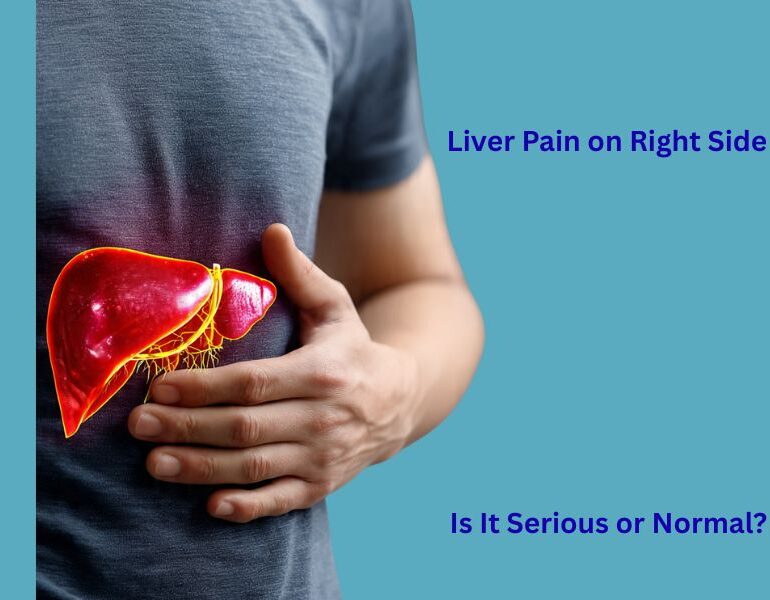

Normal Liver Test but Still Feeling Sick?
Normal liver test but still feeling sick is a very common concern today. Many people receive normal LFT (Liver Function Test) reports, yet continue to experience fatigue, bloating, right-side abdominal discomfort, or loss of appetite.

A normal blood test does not always mean the liver is completely healthy. Some liver problems develop silently and may not appear in early test reports.
This article explains why you may still feel unwell despite normal liver tests, what hidden conditions could be present, and when further evaluation is required.
Why Can Liver Tests Be Normal but Symptoms Continue?
Liver function tests mainly measure enzymes in the blood. They do not always detect early or structural liver damage.
Common reasons for silent liver disease include:
Early fatty liver
Mild fibrosis
Inflammation without enzyme rise
Hormonal or metabolic liver stress
That is why normal liver test but still feeling sick should never be ignored.
Hidden Liver Conditions That May Not Show in Blood Tests
Early Fatty Liver Disease
In early stages, fatty liver may not raise liver enzymes. Symptoms like heaviness, bloating, or tiredness may still occur.
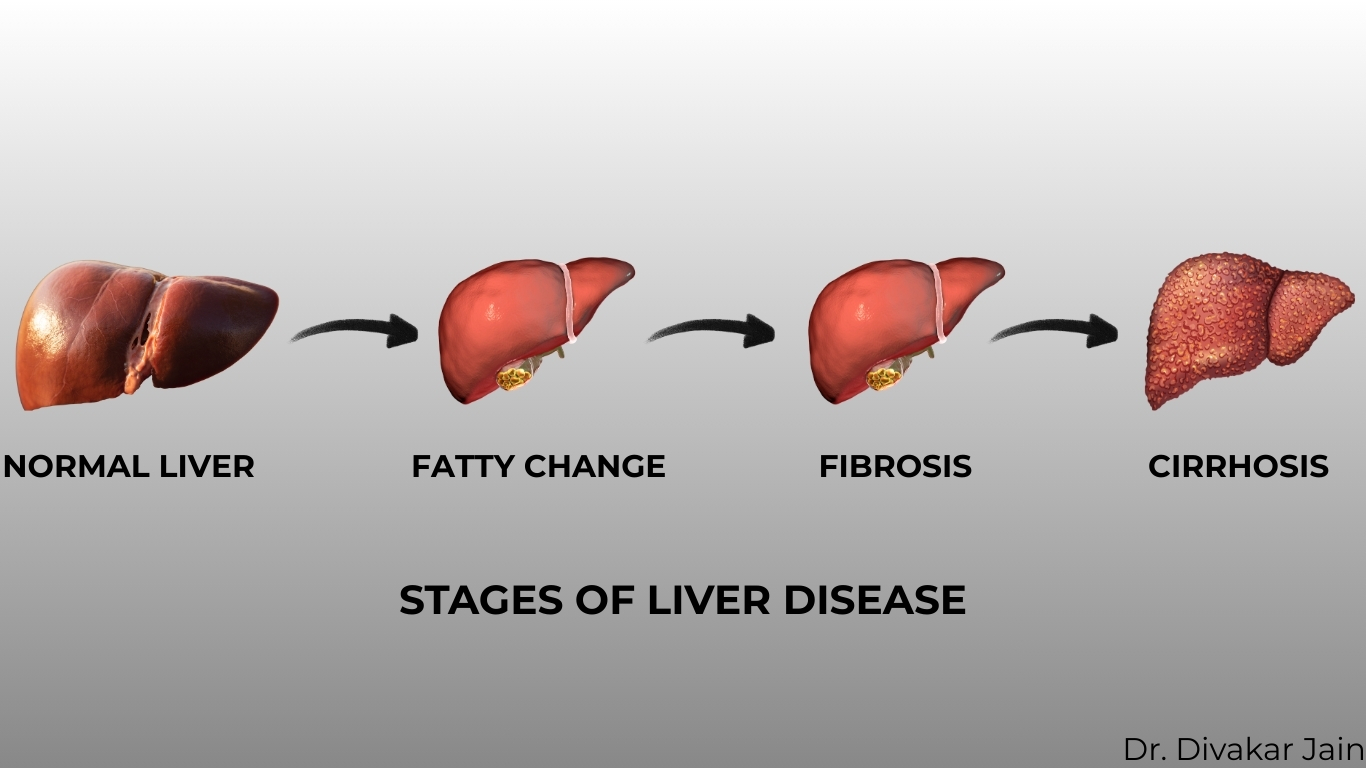
For deeper understanding, you can read our detailed article on Fatty Liver Disease in Young Adults.
Liver Fibrosis Without Enzyme Rise
Fibrosis (early scarring) can develop silently. Blood tests may stay normal until damage progresses.
Autoimmune or Metabolic Liver Stress
Autoimmune liver conditions and metabolic disorders may cause symptoms before lab changes appear.
Tests Beyond Routine Liver Function Test
If symptoms persist, doctors may advise advanced liver diagnosis tests such as:
Ultrasound abdomen
FibroScan (liver stiffness test)
Viral hepatitis markers
Autoimmune liver profile
Metabolic evaluation
These tests help identify issues missed by routine blood reports.
When Should You Consult a Liver Specialist?
You should meet a liver specialist if:
Symptoms last more than 3–4 weeks
Recurrent right-side abdominal discomfort
Fatigue with normal reports
History of fatty liver, diabetes, or obesity
Family history of liver disease
Early evaluation can prevent long-term liver damage.
Can FibroScan or Biopsy Be Needed Even If Tests Are Normal?
Yes. In some patients, imaging tests or even a liver biopsy may be required for accurate diagnosis.
According to the
World Health Organization, early liver disease may remain undetected without proper evaluation.
What You Should Not Do
Do not ignore symptoms
Do not self-medicate
Do not assume “normal test = no problem”
Listening to your body is crucial.
How Early Action Protects the Liver
Early detection allows:
Lifestyle correction
Medical treatment
Prevention of fibrosis and cirrhosis
Better long-term outcomes
Conclusion
Normal liver test but still feeling sick is a warning sign that deserves attention. Liver problems do not always show up in early blood reports.
If symptoms persist, advanced evaluation and expert guidance are essential. Early diagnosis can protect the liver from irreversible damage and help you regain long-term health.