
Liver Biopsy vs FibroScan: When Is a Biopsy Really Needed?
Liver biopsy vs FibroScan is a common question in liver diagnosis, especially when test results do not match patient symptoms. FibroScan is quick and painless, but in some cases it does not provide a complete picture of liver damage. In such situations, doctors may recommend a liver biopsy for a more accurate diagnosis.
Liver Biopsy vs FibroScan: Which Test Is More Accurate?
When doctors compare liver biopsy vs FibroScan, accuracy becomes the most important factor. FibroScan provides an estimate of liver stiffness, while a liver biopsy confirms the exact cause and severity of liver damage.
Both tests help in liver diagnosis, but they work in different ways:
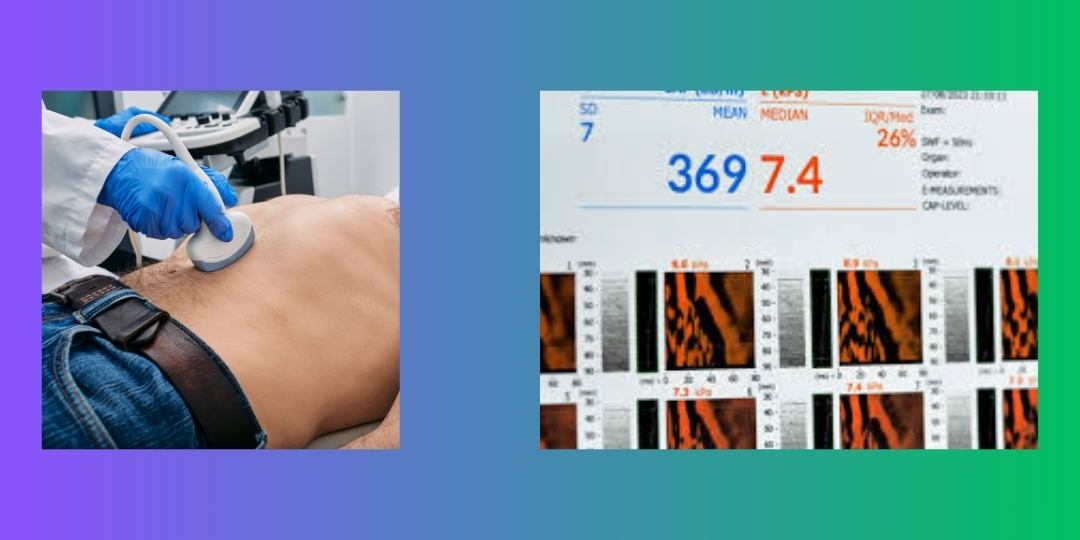
FibroScan measures liver stiffness using sound waves
Liver biopsy examines actual liver tissue under a microscope
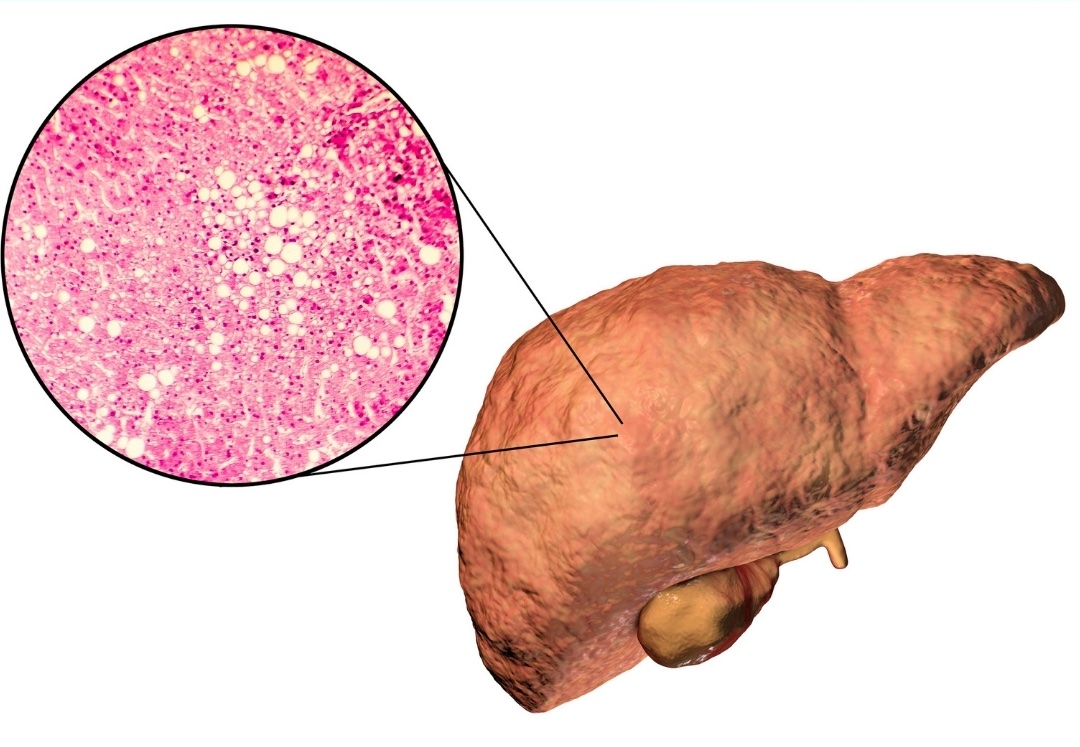
Because of this difference, liver biopsy vs FibroScan is often a comparison between estimation and confirmation. In cases where results are unclear or symptoms do not match scan findings, biopsy gives definitive answers.
What Is a FibroScan?
FibroScan is a non-invasive liver test used to evaluate liver health. It helps doctors measure:
Liver stiffness
Fat accumulation in the liver
Degree of fibrosis (scarring)
The test is painless, quick, and usually takes less than 10 minutes. FibroScan is commonly used for screening conditions such as fatty liver disease, fibrosis, and cirrhosis.
However, FibroScan has limitations. It cannot reliably detect:
Liver inflammation
Autoimmune liver disease
- Drug induced liver injury (DILI)
Very early microscopic liver damage
In such situations, doctors may recommend additional liver diagnosis tests, including a biopsy.
According to the American Liver Foundation, liver biopsy remains the most accurate test for diagnosing complex liver diseases.
When FibroScan Is Not Enough for Accurate Diagnosis
For better understanding of early liver damage, you can also read our article on
Fatty Liver Disease in Young Adults.
Persistently High Liver Enzymes
If ALT or AST remain high for months but FibroScan is normal, biopsy may detect hidden inflammation and thereby help in confirming diseases like autoimmune liver disease or drug induced liver injury.
– Confusing or Changing FibroScan Results
Results may vary due to obesity, Polycystic Ovarian Syndrome (PCOS), diabetes, ascites, or early fibrosis.
– Suspected Autoimmune Liver Disease
Autoimmune hepatitis cannot be confirmed without biopsy. Biopsy also helps in differentiating autoimmune hepatitis from other diseases like viral hepatitis, primary biliary cholangitis (PBC) or primary sclerosing cholangitis (PSC). Moreover, it helps in estimating the extent of liver damage in autoimmune hepatitis.
– Suspected Non-alcoholic Steatohepatitis (NASH)
FibroScan detects fibrosis but cannot show inflammation.
– Suspected drug induced liver injury (DILI)
Fibroscan cannot confirm the cause and estimate the extent of liver damage in cases of DILI. Biopsy usually confirms the diagnosis and estimates the extent of inflammation and necrosis in liver in such cases.
– Primary sclerosing cholangitis (PSC)
Biopsy can confirm the diagnosis in cases of PSC and can differentiate it from other benign conditions like benign recurrent intrahepatic cholestasis (BRIC).
– Before Liver Transplant Evaluation
Biopsy helps determine severity and cause of liver disease in selected cases like Budd-Chiari Syndrome (BCS) or non-cirrhotic portal fibrosis (NCPF), thereby helping to decide if liver transplant is needed.
FibroScan vs Liver Biopsy – Accuracy Comparison
| Feature | FibroScan | Liver Biopsy |
|---|---|---|
| Invasive | No | Yes |
| Detects Fat | Yes | Yes |
| Detects Fibrosis | Yes | Yes |
| Detects Inflammation | No | Yes |
| Accuracy | Good | Highest |
A biopsy provides microscopic details that no scan can replace.
Is Liver Biopsy Safe?
Yes. When performed by an experienced liver specialist, a liver biopsy is generally safe. Mild discomfort may occur, but serious complications are rare.
When Should You Consult a Liver Specialist?
You should consult a liver specialist if you have:
Fatty liver for more than 6 months
Persistently high liver enzymes
PCOS with liver problems
Diabetes with increasing liver stiffness
Unexplained abdominal discomfort
Family history of liver disease
Early evaluation helps prevent permanent liver damage.
🔹 Conclusion
FibroScan is an excellent first-line test, but it cannot replace a liver biopsy in every case. When symptoms, blood tests, and scan results do not match, the decision between biopsy and FibroScan comparison becomes important
In selected patients, a biopsy provides the most accurate diagnosis and helps guide safe treatment. Early and correct testing can protect the liver from irreversible scarring. Choosing between liver diagnosis tests depends on symptoms. blood tests, and scan accuracy.